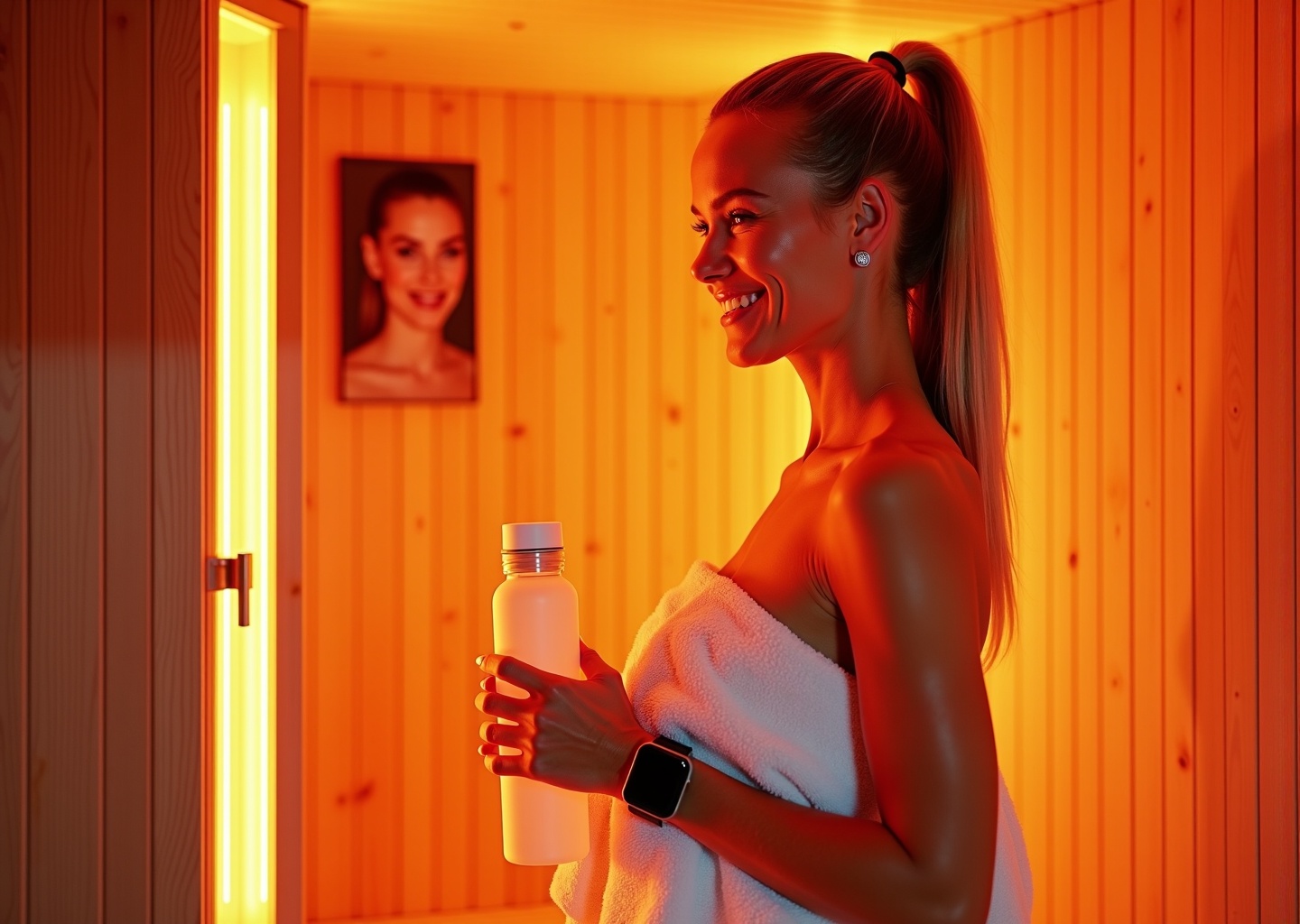
Explore how infrared sauna use supports collagen production and reduces wrinkles while boosting athletic recovery and longevity. This article reviews the biological mechanisms, summarizes current human and lab evidence, and provides practical infrared sauna protocols, safety guidance, and routines tailored to athletes and biohackers seeking skin benefits and performance gains for daily and seasonal use.
How Infrared Heat and Light Affect Skin and Collagen
To understand how infrared saunas might help reduce wrinkles, we first need to look beneath the surface of the skin. Our skin has two main layers. The outer layer is the epidermis, our protective barrier. Below that lies the dermis, which is where the magic happens for skin structure and youthfulness. The dermis is a dense network of connective tissue, primarily composed of an extracellular matrix (ECM). This matrix is built by specialized cells called fibroblasts. They produce two crucial proteins: collagen and elastin. Type I collagen makes up about 80-85% of the dermis, providing strength and structure, while Type III collagen is more prevalent in younger skin. Elastin, as the name suggests, gives skin its ability to snap back into place. With age and sun exposure, fibroblast activity slows down, and enzymes called matrix metalloproteinases (MMPs) become more active, breaking down existing collagen. This imbalance leads to thinner, less elastic skin and the formation of wrinkles.
Infrared energy interacts with this dermal environment through two primary mechanisms: thermal effects and photochemical effects. The heat generated in an infrared sauna, primarily from far-infrared wavelengths, causes a rise in local skin temperature. This triggers a cascade of physiological responses. First, blood vessels in the skin dilate, significantly increasing cutaneous blood flow. This enhanced circulation delivers more oxygen and nutrients to fibroblasts, supporting their metabolic function. The heat stress also induces the production of Heat Shock Proteins (HSPs), like HSP70. These proteins act as cellular bodyguards, protecting other proteins from damage and helping to modulate repair pathways, which may create a more resilient cellular environment. The warmth also boosts lymphatic flow, helping to clear metabolic waste from the tissue. While beneficial, this process does cause a temporary increase in transepidermal water loss through sweat, highlighting the importance of hydration.
However, not all infrared is the same, and this is a critical distinction. The infrared spectrum is divided into three bands: near-infrared (NIR, ~0.7–1.4 μm), mid-infrared (MIR, ~1.4–3 μm), and far-infrared (FIR, ~3–100 μm). Their effects depend on how deeply they penetrate the skin. FIR is absorbed very superficially, primarily converting to heat in the epidermis and upper dermis. Its benefits are largely thermal. NIR wavelengths, on the other hand, can penetrate several millimeters into the dermis. This allows for a different kind of interaction known as photobiomodulation. Instead of just producing heat, NIR photons can be absorbed by specific molecules within our cells, most notably cytochrome c oxidase in the mitochondria. This absorption can stimulate mitochondrial activity, leading to increased ATP (cellular energy) production and the release of signaling molecules. This is a photochemical effect, not a purely thermal one. Several studies have shown that IR radiation produces a temperature-independent stimulatory effect on the proliferation of human fibroblasts and collagen synthesis.
Evidence from laboratory and animal studies supports these mechanisms. In vitro studies have shown that exposing human fibroblasts to infrared radiation can increase their proliferation and boost collagen production. Animal models of photoaging have demonstrated that FIR exposure after UV damage can help preserve the dermal collagen layer by upregulating procollagen synthesis through pathways like TGF-β and by reducing the expression of collagen-destroying MMPs. It’s important to note that these findings are from controlled lab settings and don’t always translate directly to human skin in a real-world sauna environment.
The body’s response to these exposures is not static. With repeated heat exposure, tissues develop thermotolerance, partly due to the upregulation of HSPs, meaning the cellular response to the same heat stress can change over time. Similarly, photobiomodulation exhibits a biphasic dose-response; a certain amount of light energy is stimulating, but too much can become inhibitory. This suggests that consistent, moderately dosed sessions may be more effective than infrequent, extreme ones. The plausible mechanisms for skin remodeling are clear: thermal effects enhance circulation and cellular protection, while specific NIR wavelengths may directly energize fibroblasts to build new collagen. However, these are slow biological processes. Any claims of instant wrinkle reduction are unfounded; true dermal remodeling requires consistent exposure over many weeks or months to yield measurable changes.
Evidence for Wrinkle Reduction, Skin Rejuvenation, and Longevity
While the biological mechanisms discussed previously make a compelling case for how infrared and heat might improve skin, the critical question is what human clinical trials actually show. The evidence, as of early 2024, is a mix of promising pilot studies, stronger data from related light therapies, and large-scale data on different health outcomes. Understanding this landscape helps set realistic expectations for wrinkle reduction.
The most direct, though older, evidence comes from a small 2006 pilot study where 20 participants with facial wrinkles used a far-infrared (FIR) source daily for six months. The results were based on patient self-assessments and clinician grading, which showed an average improvement of 25-50%. Biopsies taken after the study suggested increases in collagen and elastin. While encouraging, this trial was small and lacked a placebo or sham control group, making it difficult to rule out other factors. It serves as an important piece of preliminary evidence but falls short of definitive proof.
More robust evidence can be extrapolated from studies on photobiomodulation (PBM) using red and near-infrared (NIR) light, wavelengths often included in full-spectrum saunas. A key randomized controlled trial from 2014 provided stronger support. In this study, participants received full-body red and NIR light therapy over 30 sessions. The results were measured objectively and showed significant improvements. High-frequency ultrasound confirmed an increase in dermal collagen density, and profilometry, a technique that measures skin surface texture, recorded a reduction in skin roughness and wrinkle depth. These findings are significant because they use objective, quantifiable metrics rather than just subjective reports. It is important to remember, however, that these effects are primarily photochemical, driven by light’s interaction with cells, rather than the purely thermal effects of a traditional sauna.
To truly gauge progress, researchers rely on a suite of sophisticated tools. High-frequency ultrasound (20-50 MHz) is a non-invasive way to measure changes in the thickness and density of the dermis, giving a proxy for collagen content. Confocal microscopy allows for imaging of cellular structures within the skin without a biopsy. For direct evidence, a small punch biopsy can be analyzed for changes in collagen types I and III. On a larger scale, 3D imaging systems and profilometry can precisely map and quantify changes in wrinkle depth and skin texture. Typically, measurable biological changes, like increased collagen density on an ultrasound, may become apparent after 8 to 12 weeks of consistent use, while visible improvements in wrinkles often take several months to manifest.
When we look at longevity, the conversation shifts to the large Finnish cohort studies, like the Kuopio Ischemic Heart Disease Risk Factor Study. This extensive research followed thousands of men for decades and found a powerful association; those who used a traditional hot sauna four to seven times per week had a dramatically lower risk of all-cause mortality and fatal cardiovascular events compared to once-a-week users. While this is compelling evidence for the systemic health and longevity benefits of heat stress, it’s crucial to clarify that these studies did not measure cosmetic outcomes like skin elasticity or wrinkles. Furthermore, they involved high-temperature traditional saunas, and the results cannot be directly applied to lower-temperature infrared saunas without further research.
This highlights significant gaps in the current literature. As of today, there are no large-scale, randomized, sham-controlled trials specifically investigating the effects of modern infrared saunas on wrinkle reduction using objective endpoints. Designing such a study is challenging; creating a convincing “sham” sauna that feels real without providing the therapeutic heat or light is difficult. Future trials need to standardize the devices used, clearly reporting the wavelengths, power output (irradiance), and total energy delivered (fluence). They should also incorporate objective measures like ultrasound and blinded photographic analysis to provide high-quality evidence.
In conclusion, the current evidence suggests a likely modest benefit for wrinkle reduction. The strongest support comes from studies on red and near-infrared photobiomodulation, which points to the potential of full-spectrum saunas. The purely thermal effects of far-infrared likely contribute by boosting circulation and inducing heat shock proteins, but the direct evidence for cosmetic changes is less robust. For now, infrared sauna use is best viewed as a supportive therapy that may enhance skin health over months of consistent use, rather than a rapid, standalone solution for wrinkles.
Practical Infrared Sauna Protocols for Skin, Recovery, and Longevity
Transitioning from the clinical evidence to practical application requires a clear, structured approach. Here are actionable protocols designed to help you safely harness the power of infrared saunas for specific wellness goals.
Protocols for Specific Goals
For Skin Collagen and Wrinkle Reduction
The focus here is on stimulating cellular repair and circulation without excessive stress. Studies suggest that consistent, moderate heat can increase collagen and elastin. A 2006 trial found that daily far-infrared (FIR) treatment over six months resulted in patient-reported improvements of 25-50%.
- Frequency: 3 to 5 sessions per week.
- Session Duration: 20 to 30 minutes.
- Temperature Range: 120°F to 140°F (49°C to 60°C).
- Wavelength Emphasis: A combination of Near-Infrared (NIR) and Far-Infrared (FIR) is ideal. NIR wavelengths (700-1400 nm) penetrate deeper to potentially stimulate mitochondrial function in fibroblasts, while FIR enhances surface circulation, delivering nutrients to the skin.
- Beginner Acclimation: Start with 2 to 3 sessions per week for 10 to 15 minutes at 110°F to 120°F. Gradually increase duration and temperature over two weeks.
- Experienced User Max Duration: 40 minutes.
For Athlete Recovery and Performance
This protocol uses heat to increase blood flow, reduce muscle soreness, and promote heat acclimation. The goal is to facilitate recovery after training.
- Frequency: 2 to 4 sessions per week, ideally 30 to 90 minutes after a workout.
- Session Duration: 25 to 35 minutes.
- Temperature Range: 130°F to 150°F (54°C to 65°C).
- Wavelength Emphasis: Far-Infrared (FIR) is the primary focus for its proven ability to increase circulation and ease muscle and joint pain.
- Beginner Acclimation: Start with 15-minute sessions post-workout at 125°F. Assess tolerance before increasing time or heat.
- Experienced User Max Duration: 45 minutes.
For General Longevity and Biohacking
This approach is inspired by large Finnish cohort studies that linked frequent sauna use (4 or more times per week) with significant reductions in all-cause mortality. It involves pushing heat tolerance safely to induce a strong heat shock protein (HSP) response.
- Frequency: 4 to 7 sessions per week.
- Session Duration: 20 to 30 minutes.
- Temperature Range: 140°F to 160°F (60°C to 71°C), or as tolerated.
- Wavelength Emphasis: Full-spectrum (NIR, MIR, and FIR) to engage a wide range of biological pathways.
- Beginner Acclimation: This is an advanced protocol. Users should be well-acclimated from other protocols before attempting this frequency and temperature. Start with 3 sessions per week and slowly add days.
- Experienced User Max Duration: 45 minutes.
Best Practices for Every Session
Preparation and Recovery
Your pre- and post-sauna routines are just as important as the session itself.
- Pre-Session: Hydrate thoroughly by drinking 16 to 24 ounces of water 1 to 2 hours beforehand. Adding a pinch of sea salt or an electrolyte powder helps maintain mineral balance. Avoid using a sauna immediately after a heavy meal or alcohol.
- In-Session: Pay attention to your body. Monitor your heart rate; it may rise to a level similar to light or moderate exercise (100–150 bpm). If you feel dizzy, nauseous, or unwell, end the session immediately.
- Post-Session: Allow your body to cool down naturally for 5 to 10 minutes. Follow with a lukewarm or cold shower to close pores and activate contrast therapy benefits. Rehydrate with at least another 16 to 24 ounces of water with electrolytes. Prioritizing sleep on sauna days can enhance recovery and cellular repair.
Complementary Therapies to Maximize Skin Results
To further boost collagen synthesis, integrate these evidence-based therapies:
- Red/NIR Photobiomodulation (PBM): Use a targeted red light therapy device (630-660 nm and 810-850 nm) for 10 to 15 minutes before your sauna session. This may prime the cells for repair. A controlled trial demonstrated that red and NIR light increased collagen density.
- Topical Treatments: Apply a Vitamin C serum in the morning for antioxidant protection and a topical retinoid at night to stimulate collagen production. Avoid applying retinoids immediately before a sauna session to prevent irritation.
- Oral Collagen Peptides: Supplementing with 2.5 to 10 grams of hydrolyzed collagen peptides daily has been shown in meta-analyses to improve skin elasticity and hydration.
- Sun Protection: Daily use of a broad-spectrum SPF 30+ sunscreen is non-negotiable. UV exposure degrades collagen and will undo any benefits gained.
Device Selection and Sample Schedules
When choosing a sauna, look for safety certifications (UL, ETL, CE), low EMF/ELF ratings, and clear specifications on the wavelengths emitted. Good ventilation is also crucial.
Sample Weekly Schedules
- Recreational User (Skin Focus): Monday, Wednesday, Friday sauna sessions (25 min at 130°F). Daily Vitamin C, nightly retinoid, and daily collagen peptides.
- Endurance Athlete (Recovery Focus): Sauna for 30 min at 145°F after hard training sessions (e.g., Tuesday, Thursday, Saturday). Focus on hydration and electrolytes.
- Biohacker (Longevity Focus): Monday-Friday sauna sessions (25 min at 150°F), with optional weekend sessions. Combine with cold plunges and track heart rate variability (HRV).
Safety and Contraindications
Always prioritize safety. Do not use an infrared sauna if you are pregnant; raising your core body temperature (hyperthermia) can be harmful to a developing fetus, especially in the first trimester. Individuals with unstable cardiovascular disease, severe low blood pressure, a fever, or those with pacemakers or other implanted medical devices must consult their doctor first. The heat and infrared energy could potentially interfere with a device’s electronics. Medications that impair sweating or cause dehydration can also increase risk.
Stop your session immediately if you experience chest pain, dizziness, extreme shortness of breath, or feel faint. Seek medical attention for any persistent or severe symptoms.
Frequently Asked Questions
After exploring detailed protocols, practical questions often surface. This section tackles the most common questions with direct, evidence-based answers.
Is infrared sauna the same as red light therapy, and do they produce the same skin benefits?
Degree of Evidence: Strong (for differentiation); Moderate (for distinct benefits)
No, they are fundamentally different, though they are often confused because both use parts of the light spectrum. Infrared saunas, particularly far-infrared, work primarily through heat. This thermal energy warms your body, increasing circulation, promoting sweating, and inducing a mild stress response that activates heat shock proteins, which may help protect existing collagen. Red light therapy (RLT), or photobiomodulation, uses specific, non-heating wavelengths of red and near-infrared light to work on a cellular level. It directly stimulates mitochondria to produce more ATP (cellular energy), which can fuel fibroblasts to create more collagen. While a sauna with near-infrared (NIR) emitters offers some of these photochemical benefits, its primary effect is still heat. They are best seen as complementary therapies; the sauna enhances circulation and cellular cleanup, while RLT directly fuels the collagen-building process.
How long until I see a reduction in wrinkles, and what improvements are realistic?
Degree of Evidence: Moderate
Patience is key. While you might notice an immediate “glow” or temporary plumping of the skin from increased blood flow and hydration after a session, true structural changes take time. Collagen remodeling is a slow biological process. Based on clinical trials, you should expect to see measurable improvements in skin texture and fine lines after about 12 weeks of consistent use (3-4 sessions per week). Realistic results are a modest but noticeable improvement, such as a 10-25% reduction in wrinkle depth and improved skin elasticity, not the complete disappearance of deep-set wrinkles. Think of it as softening and smoothing your skin’s appearance over several months.
How often can I safely use an infrared sauna?
Degree of Evidence: Strong (for general safety); Moderate (for optimal skin frequency)
For general wellness and longevity, studies on Finnish saunas suggest benefits from 4-7 sessions per week. For skin-specific goals, a frequency of 3-5 times per week is a common recommendation. However, the most important factor is your body’s tolerance. If you are new to saunas, start with 1-2 sessions per week for 15-20 minutes at a lower temperature (around 110-120°F or 43-49°C) and gradually increase duration and frequency as you acclimate. Always listen to your body; signs of fatigue, dizziness, or dehydration are signals to reduce frequency or duration.
Are detox heavy metal claims supported by evidence?
Degree of Evidence: Weak
This is one of the most exaggerated claims in the wellness industry. While sweat does contain trace amounts of heavy metals and other toxins, the quantities are minuscule compared to what your liver and kidneys, your body’s primary detoxification organs, eliminate every day. There is no robust scientific evidence to support the idea that sauna use significantly reduces the body’s total heavy metal load. The primary “detox” benefit of sweating is the flushing of metabolic byproducts and the cleansing of pores.
Does infrared sauna help with acne or other skin conditions?
Degree of Evidence: Limited and Mixed
The answer is maybe, but it depends on the person and the condition. The increased circulation and sweating can help clear out pores, which may benefit some individuals with mild, non-inflammatory acne. However, for others, the heat and sweat can trigger breakouts or exacerbate inflammatory conditions like rosacea or eczema. If you have a persistent skin condition, it’s best to proceed with caution, start with short, low-temperature sessions, and consult your dermatologist.
How should I combine sauna with cold immersion or exercise?
Degree of Evidence: Moderate (for recovery); Speculative (for skin synergy)
For athletic recovery, using the sauna 30-90 minutes after a workout is a popular protocol. This allows your heart rate to return closer to baseline before introducing heat stress. Combining sauna with cold immersion, known as contrast therapy, involves alternating between hot and cold (e.g., 15 minutes in the sauna, followed by a 1-3 minute cold shower or plunge). This practice is thought to enhance circulation and reduce inflammation. While great for recovery, there is no direct evidence yet that it provides an additive benefit specifically for collagen production.
Are supplements like collagen peptides helpful, and how can I combine them?
Degree of Evidence: Strong (for oral collagen); Speculative (for synergy)
Yes, oral hydrolyzed collagen peptides are well-supported by research. Multiple studies show that daily supplementation with 2.5-10 grams can improve skin elasticity, hydration, and reduce wrinkle depth over 8-12 weeks. To combine with your sauna routine, simply be consistent with your daily dose. While some theorize that taking collagen an hour before a session could enhance its delivery to the skin via increased blood flow, this is not yet proven. The most important thing is consistent daily intake.
How do I choose between near, mid, and far infrared saunas?
Degree of Evidence: Moderate (for wavelength-specific effects)
Far-infrared (FIR) is the most common and well-studied for inducing a deep sweat and promoting circulation through heat. Near-infrared (NIR) penetrates deeper into the tissues and has photochemical effects similar to red light therapy, potentially offering more direct cellular benefits for collagen. Mid-infrared (MIR) is often marketed for pain relief. For skin benefits, a “full-spectrum” sauna that includes NIR is theoretically superior. When choosing a unit, prioritize low-EMF heaters, non-toxic materials (like basswood or poplar), and safety certifications (UL or ETL).
Should I shower before or after, and how do I manage skin dryness?
Degree of Evidence: Best Practice Guidance
Both. A quick rinse *before* you enter the sauna washes away lotions, perfumes, and surface grime that can clog pores and block infrared penetration. A cool or lukewarm shower *after* is crucial to rinse off the sweat and impurities your body has expelled. To combat dryness, apply a high-quality moisturizer containing ingredients like hyaluronic acid, ceramides, or glycerin to your skin immediately after your post-sauna shower, while it’s still slightly damp. This will lock in moisture and support your skin barrier.
Key Takeaways, Next Steps, and Monitoring Plan
After exploring the science and protocols, it’s time to distill it all into a practical plan. The real benefits of infrared sauna therapy come from consistent, intelligent application. Here are the most important takeaways and a clear roadmap to help you integrate this practice into your life safely and effectively.
Key Takeaways
- Consistency Over Intensity.
Building collagen and seeing lasting skin improvements is a marathon, not a sprint. Regular, moderately-timed sessions (e.g., 3-4 times per week) are more effective than occasional, extreme sessions. The biological processes of cellular repair and collagen synthesis require repeated stimuli over weeks and months. - Heat is the Primary Driver.
For infrared saunas, the main mechanism for skin benefits is therapeutic heating. This heat increases circulation, delivering more oxygen and nutrients to your skin cells. It also triggers the release of Heat Shock Proteins (HSPs), which help protect and repair cellular proteins, including collagen. While some near-infrared wavelengths may offer photochemical benefits similar to red light therapy, the dominant effect is thermal. - Sauna is a Team Player.
An infrared sauna is a powerful tool, but it works best as part of a comprehensive skin health strategy. It won’t undo damage from poor diet, lack of sleep, or sun exposure. Think of it as an amplifier for an already solid foundation of healthy lifestyle choices. - Safety First, Always.
Listen to your body. Dehydration and overheating are real risks. Start slow, stay hydrated, and never push through feelings of dizziness or discomfort. If you have any underlying health conditions, especially cardiovascular issues, consult your doctor before beginning.
Your Actionable Checklist
What to Start Doing Immediately
- Hydrate Aggressively. Drink at least 500 ml of water an hour or two before your session and have water on hand to sip during. Replenish with another 500-1000 ml afterward, adding electrolytes if you sweat heavily.
- Start Low and Slow. Begin with 10-15 minute sessions at a lower temperature (around 50-55°C or 122-131°F). You can gradually increase duration and temperature over several weeks as your body adapts.
- Cleanse and Moisturize. Enter the sauna with clean, makeup-free skin to allow for optimal sweating. After your post-sauna shower and cool-down, apply a hydrating moisturizer to lock in moisture and support your skin barrier.
What to Avoid
- Don’t Push It. Exit the sauna immediately if you feel lightheaded, nauseous, or unwell. More is not always better.
- Avoid Alcohol. Do not drink alcohol before or during a sauna session. It increases the risk of dehydration and cardiovascular events.
- Don’t Expect Overnight Miracles. Temporary skin plumpness and glow can be immediate due to increased blood flow. However, true structural changes like wrinkle reduction take 8-12 weeks or more of consistent use to become noticeable.
Personalized Next Steps
Your goals determine your protocol. Here are prioritized starting points for three common user types.
For the Skin-Focused Consumer
- Establish a routine of 3-4 sessions per week, each lasting 20-30 minutes at a comfortable temperature (55-60°C or 131-140°F).
- Support your sauna routine with proven skincare. Use a topical vitamin C serum in the morning for antioxidant protection and a retinoid at night to boost collagen synthesis.
- Consider adding a daily hydrolyzed collagen peptide supplement (2.5-10 grams) to provide your body with the building blocks for new collagen.
For the Athlete
- Integrate 2-3 sessions per week, each 20-30 minutes long, timed 30-90 minutes after your workouts to aid muscle recovery and reduce inflammation.
- Track your body weight before and after sessions to dial in your personal hydration and electrolyte replacement strategy. A loss of over 2% of body weight indicates significant dehydration.
- Monitor recovery metrics. Use your wearable device to track Heart Rate Variability (HRV) and resting heart rate. An improving trend suggests your body is adapting well to the added thermal stress.
For the Biohacker
- Work towards a higher frequency of 4-5 sessions per week, mimicking the protocols from Finnish longevity studies, while meticulously tracking your body’s response.
- Experiment with contrast therapy by following your 20-minute sauna session with a 1-3 minute cold shower or plunge to train your autonomic nervous system.
- Use objective data to guide your protocol. Track morning HRV, sleep scores, and even consider periodic blood work with your clinician to monitor inflammatory markers.
Monitoring Your Progress
To know if your protocol is working, you need to track changes over time. Reassess your progress every 4-6 weeks.
- Subjective Measures.
Keep a simple journal. How does your skin feel? Do you notice more firmness, smoothness, or radiance? How is your sleep and energy? - Objective Measures.
- Standardized Photos. This is the most accessible and powerful tool. Take a photo of your face once a month, in the same spot, with the same lighting, and at the same time of day.
- Skin Hydration. Inexpensive digital skin hydration meters can provide a quantifiable measure of your skin barrier function.
- Advanced Metrics. For those seeking deeper data, a dermatologist can perform high-frequency skin ultrasound to measure changes in dermal density. You can also track your HRV with a wearable to monitor your overall physiological stress and recovery.
Finally, remember that infrared sauna is a piece of the puzzle, not the entire picture. The best results come from combining your sauna protocol with the fundamentals: diligent sun protection, a nutrient-dense diet, quality sleep, and a consistent skincare routine. When in doubt, or if you have complex health needs, partnering with a clinician can help you create the safest and most effective plan.
The science in this field is rapidly evolving. As you continue your journey, keep an eye on emerging research that addresses these key questions:
- Will large-scale, placebo-controlled trials confirm the modest collagen-boosting effects seen in smaller studies?
- What are the truly optimal protocols (wavelength, temperature, duration, frequency) for maximizing skin rejuvenation?
- How do infrared saunas interact with other treatments, like topical retinoids or oral supplements, and can we achieve synergistic effects?
Sources
- The Role of Infrared in Boosting Collagen Synthesis and Skin Health — Discover how infrared sauna therapy boosts collagen production, enhances skin elasticity, and promotes natural radiance from within for …
- Can Sauna Use Boost Collagen Production? – Saunas.org — In addition to using a far infrared sauna for collagen production, recent studies suggest that ingesting collagen can also dramatically improve …
- Infrared Sauna Benefits: Proven & Effective — One study found that infrared radiation stimulated fibroblasts (the cells responsible for collagen and elastin production), leading to an increase in both …
- Skin Health and Anti-Aging Benefits of Infrared Saunas – Citron Spa — The study found that both collagen and elastin increased after infrared sauna use, and all patients included in the study reported enhanced …
- Get Glowing with Infrared Therapy! Achieving Clearer, Younger … — A 2020 study in Scientific Reports found that infrared therapy activated collagen synthesis through TGF-β signaling pathways while also …
- Effects of Infrared Radiation on Skin Photo-Aging and Pigmentation — Several studies have shown that IR radiation produces a temperature-independent stimulatory effect on the proliferation of human fibroblasts and collagen …
- A Controlled Trial to Determine the Efficacy of Red and Near … – NIH — The purpose of this study was to investigate the safety and efficacy of two novel light sources for large area and full body application.
- Clinical Study – HigherDOSE — Red light and near infrared therapy have been shown to enhance skin health and promote collagen production, with red light therapy studies confirming its …
Legal Disclaimers & Brand Notices
The content of this article is provided for informational and educational purposes only. It is not intended to be a substitute for professional medical advice, diagnosis, or treatment. Always seek the advice of your physician or other qualified health provider with any questions you may have regarding a medical condition, procedure, or treatment protocol, especially concerning pregnancy, cardiovascular conditions, or the use of implanted medical devices.
The specific protocols, temperatures, and durations discussed are based on current research and general wellness practices but should be adapted based on individual health status and tolerance, and only after consulting with a healthcare professional.
All product names, logos, and brands mentioned in this article, if any, are the property of their respective owners.