Infrared Sauna 101 gives beginners a practical, science-based roadmap to using infrared heat for recovery, detox, and longevity. This guide explains how infrared differs from traditional saunas, evidence-based protocols for athletes and biohackers, safety measures, and daily-to-weekly routines. Read on to master session timing, temperature, hydration, and monitoring so you can safely use infrared therapy to boost performance and resilience.
How Infrared Works and What Science Says
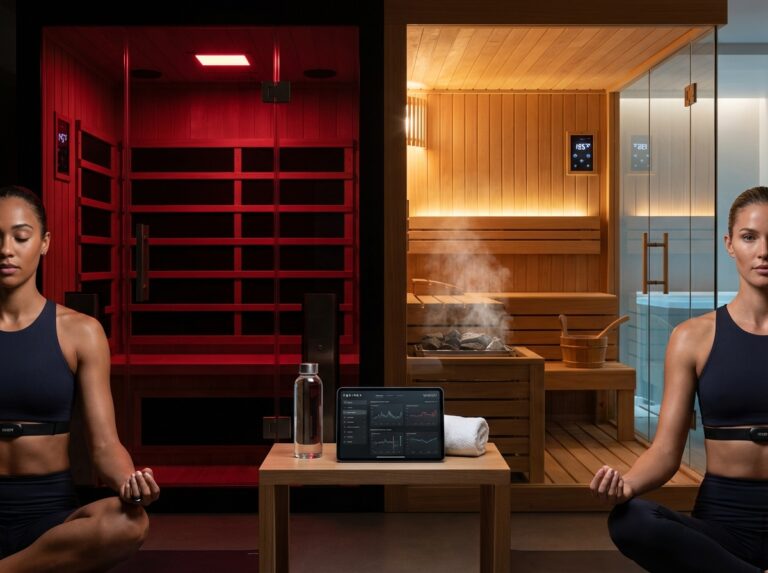
To really get why an infrared sauna feels different and works differently than the traditional steam rooms you might be used to, we need to look at the light itself. Unlike a Finnish sauna that heats the air around you to scorching temperatures, an infrared sauna uses light to heat your body directly from the inside out. This fundamental difference is key to everything that follows.
The heat comes from different wavelengths of light. Think of them as having different jobs based on how deep they can travel into your body.
- Near-Infrared (NIR) is the shortest wavelength. It penetrates just below the surface of the skin, up to 5 millimeters deep. It’s often associated with skin health and surface-level tissue repair.
- Mid-Infrared (MIR) goes a bit deeper, reaching into soft tissues. It can help with circulation and muscle soreness.
- Far-Infrared (FIR) is the longest wavelength and penetrates deepest, up to 4 centimeters. This is the wavelength that does the heavy lifting for raising your core body temperature and triggering a deep, productive sweat.
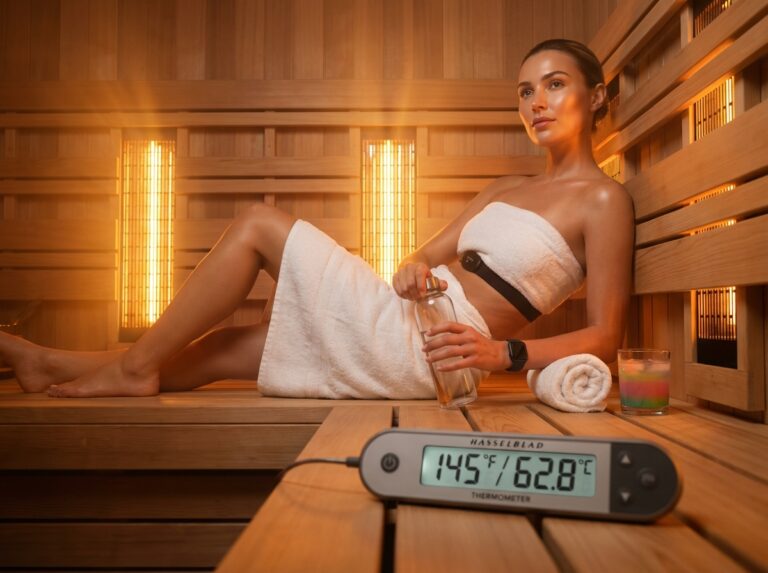
This direct heating allows infrared saunas to operate at much lower, more comfortable temperatures, typically between 110–140°F (43–60°C). You can comfortably sit for a 20 to 45 minute session. A traditional Finnish sauna, on the other hand, blasts the air to 160–200°F (71–93°C), making sessions much shorter and more intense, usually lasting only 5 to 20 minutes. The perceived heat is drastically different. In an infrared sauna, you feel a deep, radiant warmth, while a traditional sauna feels like a wall of hot air.
So what’s happening inside your body during a session? Your body’s response is both immediate and cumulative. Acutely, your skin temperature rises, and your core body temperature follows, increasing by 0.5–1.5°C over a 30 minute session. To cool down, your heart rate climbs to between 100 and 150 beats per minute, mimicking the effect of moderate exercise. Your blood vessels widen in a process called peripheral vasodilation, increasing blood flow to your skin and extremities to shed heat. This is also when you start to sweat.
Over time, with consistent use, these acute stresses trigger powerful chronic adaptations. One of the most important is the activation of Heat Shock Proteins (HSPs). When your core temperature exceeds about 101.3°F (38.5°C), your cells produce these special proteins that repair misfolded or damaged proteins, essentially acting as a cellular clean-up crew. This process is crucial for cellular resilience and longevity. At the same time, the heat stimulates your blood vessels to produce more nitric oxide, a molecule that relaxes them and further improves circulation and blood pressure. Many users also see an improvement in their Heart Rate Variability (HRV) after a session, which indicates a healthy shift toward a more relaxed, parasympathetic state.
The clinical evidence supporting these benefits is growing. The strongest data we have is for cardiovascular health. Large-scale observational studies from Finland, following thousands of men for over 20 years, have shown that frequent sauna use (4 to 7 times per week) is linked to a dramatically lower risk of fatal cardiovascular events. While this research was on traditional saunas, the underlying mechanism of heat stress is the same. More specific research on infrared saunas shows promising results for lowering blood pressure and improving markers of vascular health. Evidence is also quite strong for post-exercise recovery, with studies showing that infrared sessions can reduce delayed onset muscle soreness (DOMS) and lower inflammatory markers like C-reactive protein (CRP).
Where the evidence is more mixed or emerging is in areas like sleep and mood. Many people anecdotally report sleeping deeper and feeling less stressed, and smaller studies are starting to back this up. A recent UCSF pilot study found significant improvement in patients with depression who combined infrared sauna use with therapy.
This brings us to one of the biggest myths in the sauna world, the idea of “detox.” While it’s a popular marketing term, the claim that you can sweat out a significant amount of toxins is an oversimplification. Your sweat is about 99% water. The other 1% contains electrolytes like sodium, plus trace amounts of heavy metals and other compounds. But your body’s primary detoxification organs are your kidneys and liver. They do the real work. An infrared sauna supports this process by boosting circulation, which helps your body transport waste to the liver and kidneys more efficiently. It doesn’t replace them.
Looking forward, the biggest knowledge gap remains the need for more long-term, large-scale randomized controlled trials specifically on infrared saunas to confirm the powerful findings from the Finnish studies. As you explore the research, be a critical consumer. Look for human trials published in peer-reviewed journals. Be skeptical of studies funded entirely by a single manufacturer. Small pilot studies are a great starting point, but they aren’t the final word. The science is constantly evolving, but the existing evidence strongly suggests that consistent heat therapy is a powerful tool for health and performance.
Protocols for Recovery Performance and Longevity
Once you understand the science behind infrared heat, the next step is putting it into practice. Your ideal sauna routine depends entirely on your goals, whether you’re just starting, chasing athletic performance, or optimizing for long-term health. Think of these protocols not as rigid rules, but as starting points to be tailored to your body’s feedback.
Protocols for Beginners
If you are new to heat therapy, your primary goal is safe acclimation. Your body needs time to adapt to the thermal stress. Pushing too hard, too soon, can lead to dehydration and fatigue, undermining any potential benefits.
- Physiological Goal: Gentle heat acclimation, relaxation, and improved sleep.
- Temperature: Start low at 110–120°F (43–49°C). The goal is to feel warm and break a light sweat, not to endure intense heat.
- Session Length: Begin with 10–15 minute sessions. You can gradually increase the duration by 2–3 minutes each week as you feel more comfortable.
- Frequency: 2–3 times per week on non-consecutive days. This gives your body ample time to recover and adapt between sessions.
Sample Beginner’s Weekly Routine
A simple evening routine can be very effective for promoting relaxation and better sleep quality.
- Monday: 12 minutes at 115°F (46°C) in the evening.
- Wednesday: 12 minutes at 115°F (46°C) in the evening.
- Friday: 15 minutes at 115°F (46°C) in the evening.
Protocols for Athletes
For athletes, an infrared sauna is a powerful tool for accelerating recovery and boosting performance. Protocols should be timed around your training schedule to maximize benefits. Regular use has been shown to support cardiovascular health, which is foundational for any athlete.
Acute Recovery Protocol
Use this protocol within two hours after a difficult workout to help reduce delayed onset muscle soreness (DOMS) and kickstart the repair process.
- Goal: Reduce inflammation and muscle soreness.
- Temperature: 120–130°F (49–54°C).
- Session Length: 20–30 minutes.
- Timing: Post-workout, after your initial cool-down and rehydration.
Heat Acclimation Protocol
This protocol is for athletes preparing for competition in hot climates. It helps increase plasma volume and improve thermoregulatory efficiency.
- Goal: Improve heat tolerance and endurance performance.
- Temperature: 130–140°F (54–60°C).
- Session Length: 30 minutes.
- Frequency: 4–5 times per week for 10–14 days leading up to your event.
Contrast Therapy Protocol
Pairing heat with cold can create a powerful circulatory flush, moving metabolic waste out of tissues and bringing in nutrient-rich blood.
- Goal: Maximize recovery and reduce inflammation.
- Protocol: 20 minutes in the sauna at 130°F (54°C), followed immediately by a 2–3 minute cold plunge or cold shower at around 50°F (10°C). Repeat the cycle 2–3 times, always finishing with cold.
Protocols for Biohackers and Longevity
For those focused on long-term health, the goal is to leverage hormesis, a biological process where a beneficial effect results from exposure to a low dose of an agent that is otherwise toxic or lethal when given at a higher dose. Gentle, frequent heat stress can trigger cellular cleanup processes and the production of protective heat shock proteins.
Longevity Hormesis Protocol
This protocol emphasizes frequency over intensity. It’s designed to be a sustainable daily practice.
- Goal: Cardiovascular conditioning, cellular repair (via HSPs), and stress reduction.
- Temperature: 115–125°F (46–52°C).
- Session Length: 15–20 minutes.
- Frequency: 5–7 times per week.
Sample Biohacker’s Weekly Routine
A short morning session can activate your system without causing fatigue, while an evening session can be used to wind down.
- Morning (5x/week): 15 minutes at 118°F (48°C) before coffee or breakfast to stimulate HSPs.
- Evening (2x/week): 20 minutes at 120°F (49°C) to de-stress and prepare for sleep.
Monitoring and Adjusting Your Protocols
Your body provides constant feedback. Learning to listen to it is key to a successful sauna practice.
- Heart Rate: Use a chest strap or reliable wearable. Aim to keep your heart rate below 85% of your maximum (a rough guide is 220 minus your age). If it climbs too high or feels uncomfortable, end your session.
- Rate of Perceived Exertion (RPE): On a scale of 1 to 10, your session should feel like a 3–5. If you find yourself pushing into a 7 or higher, it’s time to cool down.
- Hydration Status: Weigh yourself before and after your session. A loss of more than 2% of your body weight indicates significant dehydration. Adjust your hydration strategy accordingly.
- Heart Rate Variability (HRV): Track your morning HRV with a reliable device like an Oura Ring or Whoop strap. If you see a consistent downward trend for several days after starting or intensifying your sauna routine, your body may not be recovering fully. Scale back the duration or frequency until your HRV stabilizes.
Special Considerations for Older Adults and Chronic Conditions
If you are an older adult or have a controlled chronic condition like hypertension, it is essential to approach sauna use with extra caution. Always get clearance from your physician first. Start with a much lower intensity, such as 10 minutes at 110°F (43°C), no more than twice a week. Pay close attention to how you feel and never push past your comfort zone. The Mayo Clinic notes that sauna use has been studied for several conditions, but medical guidance is paramount. You can read more about this on their page about infrared sauna health benefits.
Safety Setup and Best Practices
While the protocols in the previous chapter are designed to maximize benefits, none of them matter if you don’t have a solid foundation of safety. Using an infrared sauna is a powerful tool, but it’s also a significant physiological stressor. Understanding how to prepare your body and your space is the most important step you can take. This isn’t about rules for the sake of rules; it’s about creating a sustainable practice that supports your health for the long run.
Before you even turn the sauna on, a personal safety screen is essential. Certain conditions and situations are not compatible with heat therapy.
When to Avoid the Sauna
- Absolute Contraindications.
These are situations where sauna use should be avoided entirely. This includes pregnancy, as the effects of elevated core body temperature on fetal development are not well understood. It also includes unstable cardiovascular conditions like unstable angina, recent heart attack (within the last six months), or severe aortic stenosis. If you have a fever or any acute infection, wait until you are fully recovered. - Relative Contraindications.
These are conditions that require careful consideration and a green light from your physician. Uncontrolled hypertension (blood pressure consistently above 160/100 mmHg) is a major one. While sauna use has been shown to support cardiovascular health in some cases, it can be dangerous if your blood pressure isn’t managed. Other conditions include multiple sclerosis (MS), certain types of heat intolerance, and the presence of some implanted medical devices like pacemakers or defibrillators, which could be affected by the heat or electromagnetic fields (EMF). Recent alcohol or heavy stimulant use is also a firm no; both can impair judgment and increase the risk of dehydration and cardiac events.
Medications and Medical Clearance
Certain medications can affect your body’s ability to regulate temperature and sweat. It is vital to speak with your doctor if you take diuretics, beta-blockers, anticholinergics, or any medication that can cause drowsiness. Conditions like controlled hypertension, stable coronary artery disease, diabetes, and autoimmune diseases also warrant a conversation with your healthcare provider to establish safe usage parameters.
Your Pre-Session Checklist
Once you’re cleared for use, setting yourself up for success is simple. Think of it like preparing for a workout.
- Hydrate Early.
Drink 16 to 32 ounces of water in the hour or two leading up to your session. Going in dehydrated is the fastest way to feel unwell. - Time Your Food.
Avoid a large meal within two hours of your session. A light snack is fine, but you don’t want your body diverting energy to digestion when it needs to manage heat. - Gather Your Gear.
Have at least two towels ready, one to sit on and one to wipe away sweat. Bring a water bottle, preferably insulated, filled with water and a pinch of sea salt or an electrolyte powder. - Tech Check.
If you’re monitoring your heart rate, make sure your device is charged and ready. A phone can be used for a timer or music, but keep it outside the sauna or in a cool spot to prevent overheating.
Listening to Your Body and Safe Acclimation
The golden rule of sauna use is to listen to your body. Start with shorter sessions at lower temperatures, perhaps 10 to 15 minutes at 110-120°F (43-49°C). Gradually increase the duration and temperature over several weeks as your body adapts. Never push through discomfort. Your body has clear stopping signals that you must respect.
Stop Immediately If You Experience:
- Dizziness or lightheadedness
- Nausea
- Chest pain or heart palpitations
- Confusion or disorientation
- A sudden stop in sweating (a sign of heat exhaustion)
If any of these occur, exit the sauna immediately, sit down in a cool area, and sip water. A cool, damp towel on your neck can help. If symptoms persist for more than a few minutes, do not hesitate to seek medical attention.
Hydration and Skin Care
Proper hydration doesn’t end when the session does. You need to replenish the fluids and electrolytes lost through sweat. A good rule of thumb is to drink 24 ounces of water for every 30 minutes in the sauna, supplemented with about 500 mg of sodium and smaller amounts of potassium and magnesium. For skin care, a quick rinse in the shower after your session will wash away sweat. Follow up with a moisturizer to keep your skin from drying out.
Home Sauna Installation and Maintenance
For home users, a safe setup is non-negotiable.
- Installation.
Ensure there is at least six inches of clearance around the entire unit for proper ventilation. Most two-person saunas require a dedicated 20-amp circuit installed by a qualified electrician to handle the power load safely. - EMF Considerations.
Electromagnetic fields are a valid concern. Look for manufacturers that provide third-party testing data for their saunas. Low-EMF is generally considered under 3 milligauss (mG) at the seating position. Carbon heaters typically emit lower EMF levels than ceramic ones. You can verify this yourself with a reliable EMF meter. - Cleaning and Mold Prevention.
Wipe down the benches and floor with a towel after every use. Once a week, clean surfaces with a diluted white vinegar or a non-toxic sauna cleaner. Leave the door ajar after cleaning to allow the wood to dry completely, preventing mold growth. - Safety Accessories.
An accurate digital thermometer is a must. Don’t rely solely on the built-in display. A secondary timer provides a backup to prevent accidentally staying in too long. For heart rate tracking, a waterproof chest strap like the Polar H10 offers medical-grade accuracy, which is superior to most wrist-based wearables in a hot, sweaty environment.
Integration and Etiquette
To get the most out of your sessions, integrate them intelligently. For recovery, use the sauna after your workout. Using a sauna before a workout is generally discouraged, as the heat can lead to dehydration and premature fatigue, which can compromise performance and increase injury risk. If you find sauna sessions energizing, avoid using them within four hours of bedtime. If you use a commercial sauna, etiquette is key. Always shower beforehand, sit on a towel, and keep conversations quiet and brief. Wipe down your space when you’re finished as a courtesy to the next person.
Frequently Asked Questions
Is it safe to use an infrared sauna every day?
For healthy, acclimated individuals, daily use is generally considered safe and may even enhance benefits, according to long-term observational studies. The key is to listen to your body and adjust the intensity. A practical rule of thumb for daily sessions is to keep them shorter and cooler, around 15–25 minutes at 110–130°F (43–54°C), while monitoring for any signs of overtraining or fatigue, such as a sustained drop in your morning Heart Rate Variability (HRV).
How long and how hot should my sessions be?
Your ideal time and temperature depend on your experience and goals. Beginners should start low and slow with 10–15 minutes at 110–120°F (43–49°C) to allow the body to adapt. Experienced athletes aiming for heat acclimation or enhanced recovery might build up to 30–40 minute sessions at 130–140°F (54–60°C). A sensible progression is to add five minutes of duration or 5°F in temperature each week, provided you feel good during and after each session.
Will using a sauna cause muscle loss or weight loss?
No, sauna use does not cause muscle loss. In fact, by activating heat shock proteins (HSPs), it may even have a muscle-preserving effect. Any weight you lose during a session is simply water weight from sweating, typically 1–3 pounds, which must be replenished to avoid dehydration. The practical takeaway is to focus on rehydrating with water and electrolytes and consuming adequate protein after your session to support muscle repair and growth, not fat loss.
How quickly will I see benefits for recovery or longevity metrics?
Acute benefits, like reduced muscle soreness, deeper sleep, and a sense of relaxation, are often noticeable within the first one to two weeks of consistent use (3-4 sessions per week). More profound, measurable adaptations, such as a lower resting heart rate, improved blood pressure, or a sustained increase in HRV, typically take 4–8 weeks to manifest, according to clinical data. Consistency is more important than intensity, so stick with the routine to see long-term results.
Does infrared sauna help with joint pain and inflammation?
Yes, there is a growing body of clinical evidence showing that far-infrared sauna therapy can effectively help manage symptoms of chronic inflammatory conditions like rheumatoid arthritis and fibromyalgia. Published studies have documented significant reductions in pain, stiffness, and fatigue, along with decreases in inflammatory biomarkers. For joint-related issues, a consistent routine of 20–30 minutes at a moderate 120–130°F (49–54°C) several times a week may provide relief, but always integrate it as part of a physician-guided treatment plan.
What’s the best time of day to use the sauna for sleep and relaxation?
For most people, an evening session is ideal for promoting relaxation and enhancing sleep quality. The rise and subsequent fall in core body temperature after you exit the sauna mimics the natural temperature drop your body experiences before sleep, signaling to your brain that it’s time to rest. A good rule of thumb is to finish your session 90 minutes to two hours before your intended bedtime to give your body ample time to cool down and transition into a parasympathetic state.
Final Takeaways and Next Steps
You’ve now explored the science, the protocols, and the practical applications of infrared sauna therapy. The journey from theory to practice is where the real benefits are unlocked. This final chapter distills everything you’ve learned into a clear action plan, helping you move forward safely and effectively. Think of this as your launch sequence for integrating heat therapy into your life.
Here are the most important takeaways and your first steps to building a sustainable and effective infrared sauna routine.
- Start Low and Slow. Your first week is about acclimation, not endurance. Begin with three sessions, each lasting only 10 to 15 minutes at a temperature between 110°F and 120°F. This gentle introduction allows your body to adapt to the heat stress without becoming overwhelmed. You can gradually increase duration and temperature in the following weeks as you feel comfortable.
- Track Your Key Metrics. Data is your best guide. Before and after each session, weigh yourself to monitor water loss; aim to lose no more than 2% of your body mass. During the session, keep an eye on your heart rate, ensuring it stays within a moderate aerobic zone (around 100–150 bpm, depending on your fitness). Use a wearable to track your heart rate variability (HRV) the next day to see how your body is responding to the stress.
- Integrate Contrast Therapy Strategically. After particularly demanding strength training or high-intensity workouts, pair your sauna session with cold exposure. A 20-minute sauna session followed by a 2 to 3-minute cold plunge or shower can amplify recovery, reduce inflammation, and improve circulation. Reserve this for your toughest training days.
- Prioritize a Medical Consultation. Before your very first session, consult your clinician. This is non-negotiable if you have any pre-existing conditions, especially cardiovascular issues like hypertension, or if you are taking medications such as beta-blockers or diuretics. A professional can help you understand any personal risks. For more information on contraindications, the Mayo Clinic offers a balanced overview of conditions to consider.
- Build a Consistent Cardiovascular Routine. For long-term heart health benefits, consistency is more important than intensity. Aim for a routine of 2 to 4 sessions per week. Research from large-scale Finnish studies suggests this frequency is linked to a significant reduction in the risk of cardiovascular events. A 20 to 30-minute session is an excellent target for this goal.
Remember, safety is the foundation of an effective sauna practice. Always hydrate thoroughly before, during, and after your session. Listen to your body’s signals; dizziness, nausea, or a headache are clear signs to end your session immediately. The most robust evidence supports infrared sauna use for improving cardiovascular function and accelerating post-exercise recovery. While other benefits like detoxification and improved mood are widely reported, they are best viewed as secondary gains.
For those who wish to continue their education, several resources can provide deeper insights. Look into standards set by organizations like ASTM International for sauna safety and construction. When researching home units, explore reputable manufacturers that publish their third-party testing data for electromagnetic fields (EMF). For the latest scientific findings, searching for terms like “infrared sauna” or “far-infrared therapy” on PubMed will yield a wealth of peer-reviewed literature.
Your journey with heat therapy is a personal one. The protocols in this guide are your starting point, not your final destination. Be patient, be observant, and be consistent. Log your sessions, note how you feel, and pay attention to your sleep quality and recovery scores. By treating this as a personal experiment, you can fine-tune your routine to unlock the profound and lasting benefits for your health, performance, and longevity. The power is in your hands to responsibly harness the heat and build a more resilient version of yourself.
References
- Sauna therapy in rheumatic diseases: mechanisms, potential benefits, and risks — A 2020 review on the clinical evidence for sauna therapy in alleviating pain and stiffness in patients with conditions like rheumatoid arthritis.
- Do infrared saunas have any health benefits? – Mayo Clinic — An overview of conditions studied in relation to sauna use, including high blood pressure, heart failure, and arthritis, with an emphasis on consulting a doctor.
Legal Disclaimers & Brand Notices
The content provided in this article, including all protocols, temperature guidelines, safety information, and discussions of physiological effects (such as heart rate, blood pressure, and heat shock proteins), is for informational and educational purposes only. It is not intended to be a substitute for professional medical advice, diagnosis, or treatment.
Always seek the advice of a qualified physician or other healthcare provider with any questions you may have regarding a medical condition, especially before starting any new health regimen, including heat therapy, or if you have pre-existing conditions like hypertension, cardiovascular disease, or are pregnant. Never disregard professional medical advice or delay in seeking it because of something you have read in this article.
All product names, logos, and brands mentioned (including but not limited to Oura Ring, Whoop, and Polar H10) are the property of their respective owners. The use of these names, trademarks, and brands does not imply endorsement or affiliation.