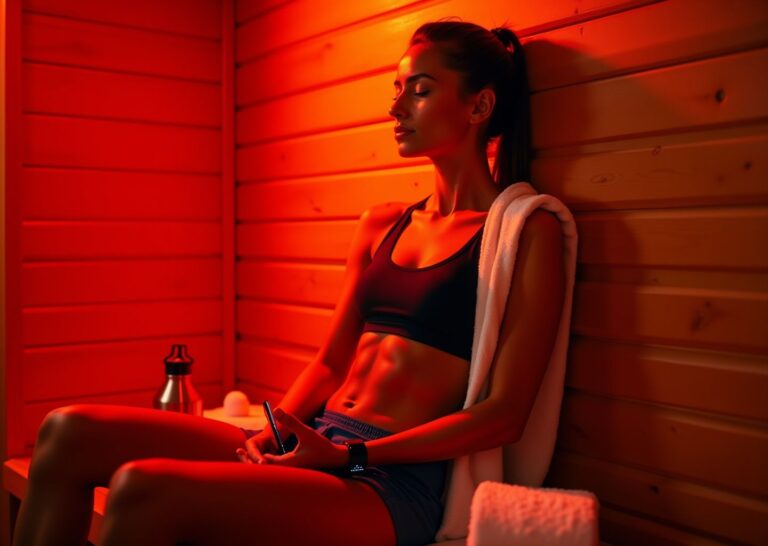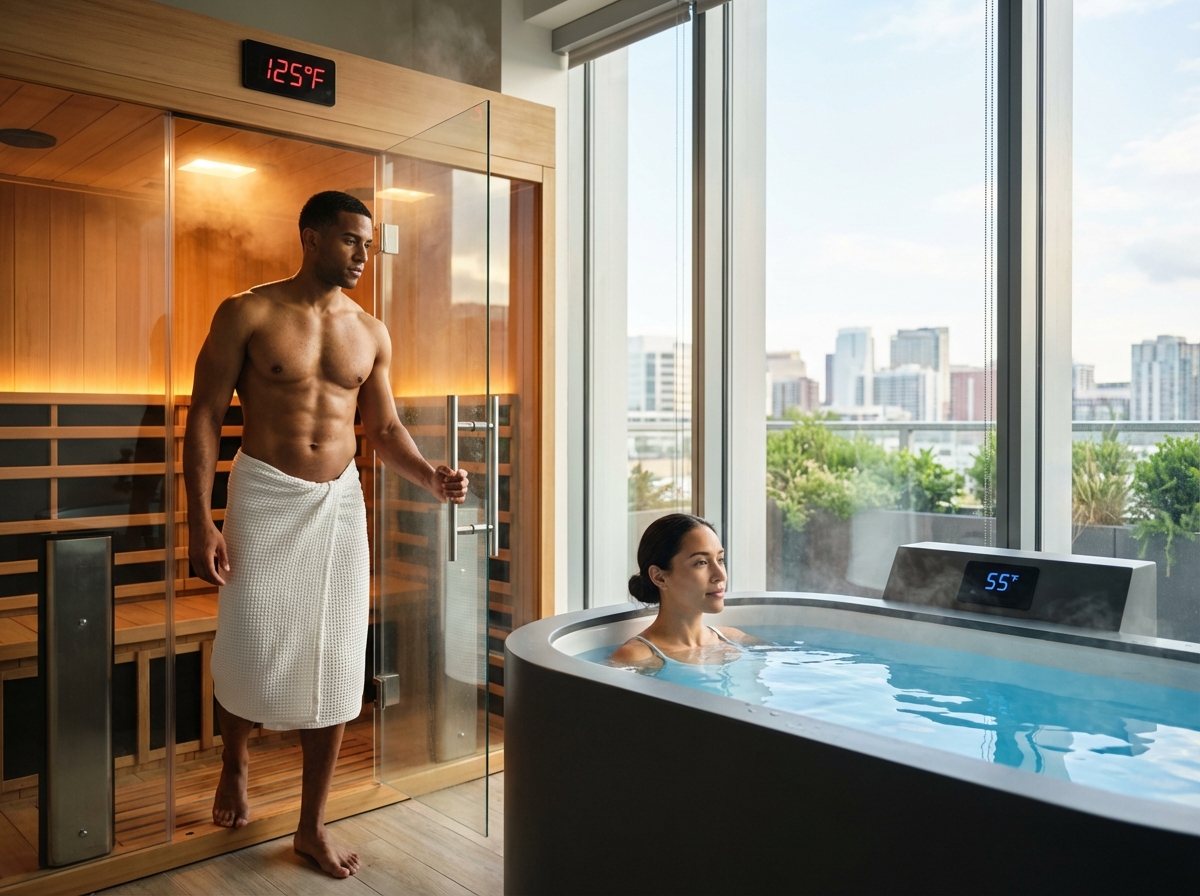
Contrast therapy combining infrared sauna and cold plunge harnesses heat and cold hormesis to speed recovery, support detox pathways, and promote longevity. This guide explores physiological mechanisms, evidence-based protocols, safety precautions, and tailored routines for athletes and biohackers to maximize performance, resilience, and long-term health.
How Contrast Therapy Works: Heat, Cold Physiology, and Hormesis
The physiological shift begins the moment you step into the infrared sauna. Unlike traditional saunas that heat the air, infrared waves penetrate the skin to warm the body from the inside. This process triggers a significant rise in core temperature, causing the heart rate to increase to pump blood toward the skin surface. This vasodilation serves as a cooling mechanism but also acts as a light cardiovascular workout. As the body works to maintain its temperature, sweat production ramps up, initiating the thermoregulation process that anchors the contrast cycle.
Inside the cells, heat stress initiates a survival response. A critical component of this response is the production of heat shock proteins (HSPs). These molecules act as cellular mechanics, identifying and repairing damaged or misfolded proteins. Frequent sauna use can increase the production of HSPs by up to 48 percent, protecting the body against cellular degradation. Heat also influences mitochondrial signaling, encouraging mitochondrial biogenesis—the creation of new mitochondria—which leads to better energy production and improved metabolic health.
The transition to a cold plunge creates an immediate, opposite reaction. The body experiences a sudden shock that triggers the sympathetic nervous system, often called the fight-or-flight response. Blood vessels that were dilated in the sauna constrict instantly. This vasoconstriction forces blood away from the limbs toward vital organs, creating a powerful vascular shunting effect. This strengthens blood vessel walls and improves overall circulatory efficiency.
The cold also causes a massive release of hormones. Norepinephrine levels can spike by 200 to 300 percent during a brief plunge. This chemical acts as both a hormone and a neurotransmitter, sharpening focus, reducing pain, and regulating mood. Research indicates that cold water immersion can increase dopamine concentrations by 250 percent, an effect that lasts for several hours. For athletes, the cold is vital for managing inflammation, reducing pro-inflammatory markers like IL-2 and IL-8 while increasing anti-inflammatory markers like IL-10.
Hormesis is the principle tying these extremes together: the idea that a controlled amount of stress creates a positive biological adaptation. The body perceives the heat and cold as threats and activates repair pathways that would otherwise remain dormant. This adaptive stress improves immune modulation by increasing white blood cell counts and supports the conversion of white fat into metabolically active brown fat. Studies have shown that consistent cold exposure can significantly increase metabolic rate as the body burns calories to generate heat.
The effects of contrast therapy are both acute and long-term. Immediately, users experience relief from muscle soreness and a mood boost. Long-term adaptations are more profound; regular sessions are linked to a 50 percent reduction in all-cause mortality, according to large observational studies like the 2015 JAMA Internal Medicine report. Frequent users also show a 63 percent lower risk of sudden cardiac death. These benefits are dose-dependent: consistency yields better results.
Scientific Evidence and Practical Realities
The evidence for contrast therapy combines high-quality data with emerging theories. Mechanistic studies clearly explain the roles of heat shock proteins and norepinephrine. We have strong observational data from Finland regarding sauna use and longevity, and small randomized controlled trials have confirmed that cold plunges reduce muscle damage after intense exercise. For example, marathon runners using cryotherapy demonstrated significantly lower C-reactive protein levels compared to those using passive recovery.
Evidence Quality Summary
The science is strongest for cardiovascular health and muscle recovery. While sweat removes trace amounts of heavy metals, the liver and kidneys perform the majority of detoxification. Evidence for mental health benefits is growing, though often based on smaller sample sizes. Contrast therapy should be viewed as a powerful tool for resilience rather than a cure for specific diseases.
| Metric | Heat Response (Sauna) | Cold Response (Plunge) |
|---|---|---|
| Vascular State | Vasodilation (Expansion) | Vasoconstriction (Contraction) |
| Heart Rate | Increased | Initial spike, then lowers |
| Primary Proteins | Heat Shock Proteins (HSPs) | Cold Shock Proteins (CSPs) |
| Hormone Spike | Growth Hormone | Norepinephrine / Dopamine |
| Inflammation | Systemic relaxation | Acute reduction |
The Cold Plunge and Sauna: A Synergistic Longevity Therapy | Mito Health research highlights the synergy of these modalities. The heat prepares the body by increasing blood flow, while the cold flushes the system. This cycle acts as a pump for the lymphatic system, helping move waste products out of tissues. For biohackers, the goal is finding the right balance of stress: too much leads to overtraining, while too little fails to trigger the hormetic response. Most protocols suggest 15 to 30 minutes of heat followed by 2 to 5 minutes of cold to create the necessary biological pressure.
Infrared Sauna Fundamentals: Types, Temperatures, and Spectrum
Infrared saunas differ from traditional steam rooms by using light to create heat. This light penetrates the body directly rather than just warming the surrounding air, making the experience efficient for recovery and longevity. The technology relies on the infrared spectrum to trigger physiological changes at lower temperatures than traditional wood-fired units.
Understanding the Infrared Spectrum
The infrared spectrum consists of three main bands, each interacting with the body differently:
Near Infrared
This wavelength stays close to the surface and is often used for skin health and wound healing. It stimulates cellular energy in the outer layers of the dermis but does not penetrate deep into the muscles.
Mid Infrared
Penetrating deeper than near infrared, these waves increase circulation and promote blood flow to injured tissues. This spectrum is particularly useful for reducing muscle soreness and accelerating oxygen delivery to muscles.
Far Infrared
The most common type in home saunas, far infrared penetrates deepest into the body. It effectively raises core temperature to trigger a heavy sweat and supports long-term cardiovascular health. Most research on sauna benefits involves far infrared wavelengths.
Temperature and Timing Guidelines
Infrared saunas operate at lower temperatures than traditional Finnish saunas, typically ranging between 120 and 150 degrees Fahrenheit. This lower heat allows for longer sessions, usually 20 to 45 minutes. Beginners should start with 15 minutes to gauge their reaction. The goal is a steady rise in core temperature without feeling overwhelmed or dizzy. Conservative protocols suggest 2 to 4 sessions per week for general health, while athletes might use them daily during heavy training blocks.
Infrared vs. Traditional Saunas
Traditional saunas use rocks or steam to heat the air to 180 degrees or higher, which can feel harsh on the lungs. Infrared feels gentler; while you may not feel as hot initially, the light energy vibrates water molecules in cells to create heat from the inside out, leading to intense sweating. Infrared units are generally more energy-efficient, often plugging into standard outlets, and heat up faster than traditional stoves. The lower perceived heat makes it easier to sustain the duration required for clinical benefits.
Biomarkers and Health Outcomes
Research shows that regular use impacts several health markers. Heart rate increases while blood pressure often drops post-session. Studies indicate that frequent use can lower systemic inflammation, measured by C-reactive protein levels. Long-term data suggests that using a sauna 4 to 7 times a week can reduce all-cause mortality by 50 percent and lower the risk of dementia. The sauna and cold plunge combination improves cardiovascular health and significantly reduces inflammation markers.
The Truth About Detox Claims
While many claim saunas detox the body, precision is necessary. Sweat is 99 percent water, containing small amounts of minerals and trace heavy metals. However, the liver and kidneys handle the vast majority of detoxification. The sauna supports this process by improving circulation to these organs and moving lymph fluid. Do not expect sweat alone to replace the work of internal organs; the primary benefit is metabolic stress and the subsequent repair process.
Choosing a Sauna for Your Home
Buying a sauna requires checking specific technical details:
Heater Types
Carbon heaters provide a large surface area for even heat, while ceramic heaters get hotter but can create hot spots. Many modern units use a mix of both.
EMF Considerations
Biohackers should prioritize low EMF (Electromagnetic Field) models, as high EMFs can interfere with cellular function. Reputable brands provide third-party testing for their heater panels.
Placement and Power
Most small infrared saunas run on a standard 110v outlet, while larger units may need a dedicated 20-amp circuit. Ensure the room has adequate ventilation to prevent moisture buildup. Maintenance involves wiping down the wood after use and using towels to prevent salt damage.
| Metric | Infrared Sauna Impact |
|---|---|
| Heat Shock Proteins | Increase up to 48% |
| All-Cause Mortality | 50% reduction (4-7x weekly) |
| CVD Risk | 63% lower (4-7x weekly) |
| Dopamine | Significant increase post-exposure |
Athletes find that infrared use preserves muscle function and reduces time to exhaustion in future sessions. When paired with a cold plunge, it creates a powerful stimulus for the nervous system, improving sleep efficiency and lowering subjective stress levels. Home units typically range from $2,000 to $6,000, an investment justified by the long-term hormetic benefits.
Cold Plunge Science: Temperatures, Timing, and Immersion
Cold water immersion is a precise tool for metabolic health and recovery. When you step into water between 50 and 59 degrees Fahrenheit, the body triggers a massive sympathetic response known as cold shock. Heart rate jumps and breathing quickens; this initial stressor builds mental resilience over time.
Temperature Ranges and Goals
The optimal temperature depends on the objective. For general health and longevity, 50 to 59 degrees Fahrenheit is standard—cold enough to trigger beneficial hormones without being unbearable. For a more intense metabolic boost, temperatures can drop to 40 or 45 degrees, though these sessions should be shorter. Brief exposures at lower temperatures effectively activate cold shock proteins.
| Goal | Temperature Range | Typical Duration |
|---|---|---|
| General Longevity | 50 to 59°F (10 to 15°C) | 3 to 5 minutes |
| Metabolic Activation | 45 to 50°F (7 to 10°C) | 2 to 3 minutes |
| Advanced Resilience | Below 40°F (Below 4°C) | 30 to 90 seconds |
Physiological Endpoints
Cold causes immediate vasoconstriction, shunting blood from limbs to the core to protect organs. Upon exiting the water, blood rushes back to the surface—a process called reperfusion—which helps flush metabolic waste and reduces delayed onset muscle soreness (DOMS).
Cold water therapy also reduces systemic inflammation. Research shows that regular plunging can lower C-reactive protein levels; in marathon runners, cryotherapy kept these markers significantly lower compared to passive recovery. Additionally, cold immersion can increase dopamine concentrations by 250 percent. Unlike the quick hit from caffeine, this increase is steady, lasting several hours to improve focus and mood.
Metabolic Health and Brown Fat
Cold exposure aids in converting white fat (energy storage) into brown fat (thermogenic). Brown fat burns calories to create heat, shifting the metabolic rate. One study found that consistent cold exposure over ten days led to an 80 percent increase in metabolic rate, making it a powerful tool for weight management and insulin sensitivity.
Timing Relative to Training
Timing is critical for athletes. For muscle hypertrophy, avoid plunging immediately after lifting weights, as cold can blunt the inflammatory signals necessary for muscle growth. Wait at least four to six hours after a strength session. Conversely, for endurance athletes or those needing rapid recovery for competition, plunging immediately is helpful to reduce fatigue perception. For general longevity, a morning plunge is often best to leverage the dopamine and metabolic boost.
Practical Setup and Safety
Options range from dedicated plunge tubs with built-in filtration and cooling to DIY chest freezer conversions or simple ice baths. Dedicated units offer convenience, while ice baths require manual labor.
Safety Steps
Enter the water slowly to prevent the gasping reflex. Ensure a clear exit path. If using a DIY setup, disconnect power before entering.
Breathing Techniques
Manage the initial shock with breath control. Slow, deep exhales signal safety to the brain, shifting the body from panic to calm. Box breathing (inhale 4s, hold 4s, exhale 4s, hold 4s) is highly effective.
Monitoring Progress
Track Heart Rate Variability (HRV). Higher HRV often indicates adaptation to cold stress. As you acclimate, the same temperature will feel less shocking, signaling increased autonomic balance.
The Søberg Principle
To maximize metabolic effects, follow the Søberg Principle: let the body rewarm naturally after the plunge. Avoid jumping straight into a hot shower. Forcing the body to generate its own heat increases caloric burn and strengthens the internal thermostat.
Regular exposure is key. Aim for two to five sessions per week. Cold plunge and sauna combinations offer a synergistic effect, working the blood vessels through the contrast of vasodilation and vasoconstriction.
Designing Contrast Therapy Protocols for Athletes and Biohackers
Creating a contrast therapy routine requires aligning the protocol with training loads and biological goals. Athletes seeking power have different needs than biohackers prioritizing longevity. Incorrect timing can impede progress.
Protocols for Strength and Power Athletes
The Hypertrophy Buffer
To build muscle, avoid cold plunging immediately after lifting. Instead, use the infrared sauna for 20 minutes at 135°F post-session to improve blood flow. Save the cold plunge for at least four hours later or use it on rest days. This delay allows natural muscle-building signals to function. On rest days, perform 3 cycles of 15 minutes in the sauna followed by 2 minutes in a 50°F plunge to maintain joint mobility.
Endurance and Team Sport Recovery
The Flush Protocol
Endurance athletes benefit from immediate contrast to move metabolic waste. After a long run or game, start with 15 minutes in the sauna, followed by a 3-minute cold plunge at 55°F. Repeat for 3 cycles. This sequence restores autonomic balance and reduces fatigue perception. Research shows that regular exposure to controlled heat and cold lowers systemic inflammation, which is vital during high-volume training.
Biohacking for Longevity and Stress Resilience
The Metabolic Switch
Biohackers often focus on brown fat activation and cellular repair. Follow the Søberg Principle by always ending with cold. Spend 20 minutes in the infrared sauna at 140°F to trigger heat shock proteins, then move directly to a 59°F cold plunge for 3 minutes. Allow the body to rewarm naturally to maximize metabolic rate.
Daily Templates for Integration
Morning Energy Routine
Start with a 2-minute cold plunge at 55°F to spike dopamine. Follow with 10 minutes of light movement. This provides high focus without the afternoon caffeine crash. Skip the sauna in the morning if the goal is to stay alert.
Midday Maintenance
Use a single 20-minute sauna session at 130°F as a passive cardiovascular workout. This improves circulation for those with sedentary jobs without requiring a full gym session.
Evening Sleep Optimization
Spend 25 minutes in the sauna at a lower temperature (115°F). Follow with a brief 1-minute cool rinse or a 58°F plunge. The drop in core body temperature signals the brain that it is time for deep sleep, improving sleep efficiency and parasympathetic activity.
Periodization and Tracking
Integrate sessions based on the training phase. During heavy loading weeks, limit cold plunging to twice a week to allow for adaptation. During deload or competition weeks, increase frequency to four times a week to prioritize recovery. Track HRV every morning; a drop may indicate the need for more recovery and less intense thermal stress.
Nutrition and Hydration Timing
Pre-Session Prep
Drink 16 ounces of water with sea salt or electrolytes 30 minutes before starting, as infrared saunas cause deep sweating that depletes minerals.
Post-Session Recovery
Focus on magnesium and potassium to prevent cramping. Athletes should consume 20 grams of protein and easy-to-digest carbohydrates within an hour of finishing to replenish glycogen while circulation is elevated.
Troubleshooting Plateaus
If recovery improvements stall, alter variables. Drop water temperature by two degrees or add five minutes to sauna time. Alternatively, try “isochoric” sessions: stay in the cold for 5 minutes at a slightly higher temperature rather than 2 minutes at a freezing one to build mental endurance.
Safety, Contraindications, and Practical Considerations
Contrast therapy places significant stress on the body, involving rapid shifts in heart rate and blood pressure. While this builds resilience in healthy athletes, it can be dangerous for those with underlying conditions.
Absolute and Relative Contraindications
Cardiovascular Conditions
Avoid contrast therapy if you have uncontrolled hypertension, unstable angina, or a recent heart attack. The heat causes massive vasodilation, while the cold causes sudden vasoconstriction. This sequence can trigger arrhythmias or cardiac events in vulnerable individuals. Pacemakers and severe heart failure are also absolute contraindications.
Pregnancy and Thermoregulation
Expectant mothers should exercise extreme caution. High core body temperatures, especially in the first trimester, are linked to developmental issues. The intense heat of an infrared unit combined with the shock of a cold plunge is generally not recommended. Consult an obstetrician before attempting thermal therapy.
Epilepsy and Seizure Disorders
The primary risk is environmental: a seizure in a plunge tub can lead to drowning. Rapid temperature changes can also trigger seizures in some individuals. Those with a history of seizures should never practice contrast therapy alone.
Diabetes and Neuropathy
Diabetes with autonomic neuropathy impairs temperature sensation. You may not realize your skin is burning or that you are reaching hypothermia. Poor circulation also increases tissue damage risk. Open diabetic ulcers are a strict contraindication for shared tubs due to infection risk.
Medication Interactions
Beta-blockers limit heart rate, preventing effective cooling. Diuretics increase dehydration risk. Vasodilators or blood pressure medications increase the risk of fainting (syncope) upon exiting the sauna.
Screening and Risk Assessment
Self Assessment Protocol
If you cannot walk up two flights of stairs without chest pain or extreme shortness of breath, your heart may not be ready for contrast stress. If resting blood pressure is consistently above 140/90, seek medical clearance.
When to See a Doctor
Professional evaluation is required for those with a history of fainting, heart murmurs, or Raynaud’s disease. A stress test can ensure the cardiovascular system can handle rapid temperature shifts.
Harm Reduction and Practical Safety
Hydration Strategies
You lose significant fluid and salt during a 20-minute sauna session. Drink 16 ounces of water with electrolytes before beginning and continue sipping throughout. Avoid alcohol entirely. Post-session, replenish magnesium and potassium.
Monitoring for Red Flags
Stop immediately if you feel dizzy, lightheaded, or nauseous. Chest pain or a sudden pounding headache indicates overexertion. If you feel faint, sit down on the floor immediately to avoid falling.
Gradual Acclimation
Start conservatively: 115°F sauna for 10 minutes and 60°F cold plunge for 30 seconds. The body needs weeks to build thermal proteins and vascular strength. Cold water therapy as part of a lifestyle requires a steady approach to be effective.
Logistics and Maintenance
Facility Hygiene and Water Sanitation
Plunge tubs can breed bacteria. Use high-quality filtration (ozone or UV) and maintain sanitizer levels (bromine/chlorine). Scrub tub surfaces weekly to prevent biofilms and skin infections.
Electrical Safety
In the USA, ensure units are plugged into GFCI outlets to prevent shocks. Never use extension cords for sauna heaters due to fire risk. Ensure equipment is UL listed.
| Condition | Risk Level | Recommendation |
|---|---|---|
| Uncontrolled Hypertension | High | Absolute Avoidance |
| Pregnancy | Moderate | Doctor Clearance Required |
| Raynaud’s Disease | Moderate | Limit Cold Exposure |
| Recent Surgery | High | Wait for Full Healing |
Common Questions Answered: Frequently Asked Questions
Practical questions often arise regarding the nuances of mixing extreme heat with cold water. This section addresses common concerns based on current data and user experience.
Should I do the sauna or the cold plunge first?
The standard sequence
Most protocols suggest starting with the sauna to dilate blood vessels, followed by the cold plunge to constrict them. This creates a circulatory pump effect. Ending with cold is popular for alertness and metabolic rate, while ending with heat promotes relaxation. Current evidence supports the heat-to-cold sequence for maximizing the vascular workout.
How much time should I wait between the heat and the cold?
Transition timing
Move from the sauna to the cold plunge within one to three minutes. Waiting too long allows core temperature to drop naturally, reducing the intensity of the thermal shock. A quick rinse is recommended for hygiene, but moving fast maintains the elevated heart rate required for the stress response.
How many cycles are ideal for one session?
Determining volume
Two to three rounds of heat and cold is a standard protocol. One round usually consists of 15 minutes in the sauna followed by 2 to 5 minutes in the cold. Exceeding four rounds can lead to excessive fatigue and overstress the nervous system.
Can I do contrast therapy every day?
Frequency and recovery
Daily use is generally safe for healthy individuals and beneficial for mood and heart health. However, if the goal is maximum muscle growth, avoid cold plunging immediately after strength training. Wait four hours after lifting before plunging to avoid blunting hypertrophy signals.
Is it safe for people with high blood pressure?
Cardiovascular risks
The sudden change from heat to cold causes a sharp spike in blood pressure, which can be dangerous for those with uncontrolled hypertension. While regular sauna use can lower blood pressure over time, the plunge is a high-stress event. Consult a doctor if you have heart issues.
How do I manage dizziness or fainting?
Preventing syncope
Dizziness usually occurs when standing up too fast in the sauna due to blood pooling in the legs (vasodilation). Sit on the lower bench for two minutes before exiting to allow the body to adjust. If you feel lightheaded, sit down immediately and consume electrolytes.
Are there special considerations for women?
Hormonal health
Women may find that cold plunging helps stabilize mood and reduces perimenopause symptoms. Some research suggests it helps with menstrual cramping, though tracking individual responses during different cycle phases is important. Recent research on women’s health offers more specific cycle protocols.
Final Takeaways: Action Steps and Results
Contrast therapy relies on the biological stress of extreme temperature shifts to trigger systemic repair. Heat from an infrared sauna causes vasodilation, increasing circulation and stimulating heat shock proteins by up to 48 percent. Cold exposure triggers vasoconstriction, releasing cold shock proteins and increasing dopamine by 250 percent. The synergy between these states creates a vascular workout that strengthens the cardiovascular system and reduces systemic inflammation. Recent data confirms that even brief cold water immersion initiates these protective proteins for metabolic health.
Core Benefits and Known Limits
Regular sessions are linked to a 50 percent reduction in all-cause mortality for those using a sauna four to seven times per week, with cardiovascular death risk dropping by 63 percent. Athletes benefit from faster recovery as cold therapy reduces C-reactive protein levels. However, individual responses vary based on age, sex, and fitness levels. While promising for hormonal stability in women, more clinical reviews are needed to confirm long-term impacts.
Safety Priorities
Never start a session without medical consultation if you have high blood pressure or heart disease. Hydration is critical; dehydration increases the risk of dizziness and heat exhaustion. Always have a partner nearby when performing deep plunges, and avoid alcohol before or during protocols.
Starter Programs for Different Levels
These protocols use standard parameters based on current longevity research. Adjust temperatures based on equipment and tolerance.
| Level | Sauna Time | Cold Time | Rounds | Frequency |
|---|---|---|---|---|
| Beginner | 15 minutes | 1 minute | 1 to 2 | 2 times per week |
| Intermediate | 20 minutes | 3 minutes | 2 to 3 | 3 to 4 times per week |
| Advanced | 30 minutes | 5 minutes | 3 to 4 | Daily or 5 times per week |
Session Prep and Aftercare Checklist
- Hydration Check: Drink 16 ounces of water with electrolytes 30 minutes before starting.
- Medical Flags: Check for skin breaks, fever, or recent cardiovascular events.
- Gear List: Prepare a cotton towel, heart rate monitor, and robe for rewarming.
- Tracking Metrics: Record resting heart rate and sleep quality the following morning.
- The Søberg Principle: Allow your body to rewarm naturally after the final cold plunge to maximize metabolic burn.
Success in contrast therapy comes from consistency rather than intensity. Start with moderate temperatures and gradually move toward extremes. Monitoring heart rate variability provides a clear picture of how the nervous system handles stress; if HRV drops significantly, reduce session frequency. For deeper context, refer to Cold Plunge and Sauna: A Synergistic Longevity Therapy | Mito Health or recent publications in journals like Advanced Biology.
Sources
- Cold Plunge and Sauna: A Synergistic Longevity Therapy | Mito Health — The sauna and cold plunge combination improves cardiovascular health, reduces inflammation, relieves stress, and enhances sleep quality.
- The untapped potential of cold water therapy as part of a lifestyle … — Cold water therapy also reduces inflammation, boosts the immune system, promotes sleep and enhances recovery following exercise.
- Evidence-Based Benefits of Sauna & Cold Therapy – STAT Wellness — Regular exposure to controlled heat and cold can lower inflammation, improve cardiovascular and brain health, and enhance exercise recovery.
- Science-Backed Benefits of Sauna & Cold Plunge — Framework — Frequent and consistent traditional sauna sessions can increase heat shock protein production up to 48%, aiding cellular repair and immune support.
- The Latest Research on Cold Plunging, Women's Health, and When … — Cold plunging increases cellular resilience, boosts mood, and can support hormonal and metabolic health.
- Hot Takes on a Cool Topic: Saunas and Cold Plunges in Mental … — Research indicates that regular sauna use might help alleviate depressive symptoms. Elevating body temperature through heat exposure could reduce symptoms.
- Cold-water plunging health benefits – Mayo Clinic Health System — Immersing in frigid water may not seem good for your health, but it can provide benefits from reducing inflammation to improving mood.
- Ice Baths and Saunas: Are the Latest Health Trends Bad for Your … — Some people believe that contrast therapy between heat and cold creates a powerful vascular workout, which can strengthen your cardiovascular system.
Legal Disclaimers & Brand Notices
The information provided in this article is for informational and educational purposes only and does not constitute professional medical advice, diagnosis, or treatment. Always seek the advice of a physician or other qualified health provider with any questions you may have regarding a medical condition or before undertaking new health protocols, such as infrared sauna use, cold water immersion, or contrast therapy.
All product names, logos, and brands mentioned in this content are the property of their respective owners. All company, product, and service names used in this article are for identification purposes only. Use of these names, logos, and brands does not imply endorsement.