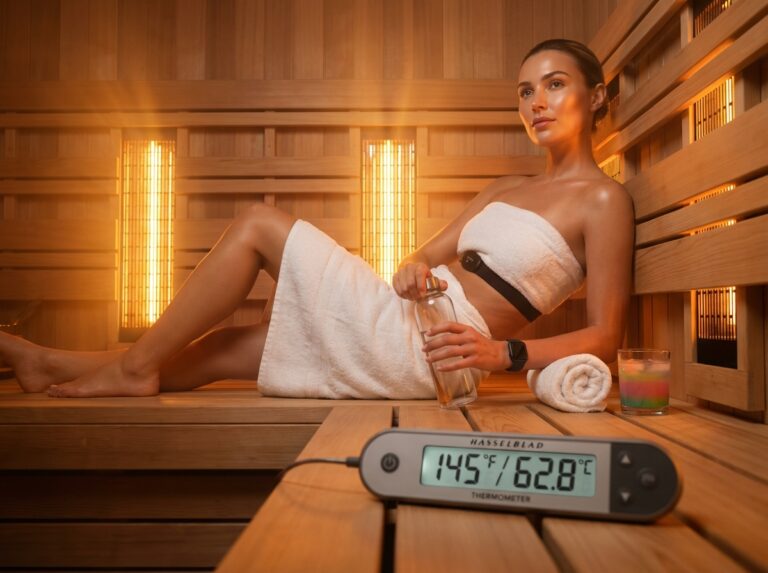
Infrared saunas are widely used by athletes, biohackers, and health-conscious adults for recovery, detoxification, and longevity. This article breaks down evidence-informed session lengths and frequencies tailored to specific goals, plus temperature ranges, acclimation steps, hydration, and safety precautions. Follow these practical protocols to maximize benefits while minimizing risks, and adapt routines to your fitness level and medical status.
Evidence-Based Protocols and Safety Essentials
Your goals dictate your timer. While the safety mechanisms of infrared heat remain constant, the duration, temperature, and frequency required to aid muscle recovery differ significantly from the protocols needed for cardiovascular conditioning or stress relief. Finding the right dose of heat is just as important as the workout itself; you would not run a marathon on your first day of training, and you should not attempt a 45-minute sauna session without building tolerance first.
We are looking at specific, evidence-backed routines. These protocols rely on data from clinical trials and epidemiological studies, adjusted for the practical realities of home infrared units.
The Universal Ramp-Up Protocol (Acclimation)
Every user must start slowly to avoid heat exhaustion. Your body needs time to adapt its thermoregulatory mechanisms—a process called heat acclimation. It typically takes one to two weeks of consistent exposure to expand plasma volume and improve sweat efficiency.
Beginner Baseline
Start with sessions lasting 5 to 10 minutes. Keep the temperature moderate at roughly 100°F to 113°F (38°C to 45°C). Do this for your first 3 to 5 sessions.
Progression Rule
Add 5 minutes to your session length every 3 to 7 sessions as you feel comfortable. Do not increase temperature and duration on the same day.
Upper Safe Limits
Most experts and clinical reviews recommend a maximum single-session duration of 30 to 45 minutes for healthy adults. Staying in longer does not necessarily provide more benefit and increases the risk of dehydration or syncope.
Athletic Recovery and Muscle Repair
For athletes, the objective is increasing blood flow to clear metabolic waste and reducing subjective soreness. You do not need to reach maximal heat tolerance to achieve this. Research suggests that mild to moderate infrared exposure is sufficient to improve neuromuscular recovery.
Optimal Timing
The most effective window is post-workout. Some studies utilize a 15 to 30-minute window immediately following training, once the heart rate has settled slightly. If you are dehydrated from a heavy session, wait until you have rehydrated before entering the cabin.
The Protocol
Target a temperature range of 104–122°F (40–50°C). This is lower than traditional sauna standards but effective for infrared penetration.
- Frequency: 3–5 sessions per week.
- Duration: 15–30 minutes per session.
- Evidence: Clinical trials on far-infrared saunas (FIRS) often use 30-minute sessions to match heating time with other therapies. Subjective recovery scores tend to improve with consistent use rather than single intense blasts. Effects of far-infrared sauna bathing on recovery are most pronounced when consistent.
3-Week Athlete Ramp-Up Plan
If you are new to post-workout heat, do not jump into 30-minute sessions immediately after a long run.
| Week | Frequency | Duration | Temperature |
|---|---|---|---|
| Week 1 | 2x / week | 10–15 min | 104°F (40°C) |
| Week 2 | 3x / week | 15–20 min | 113°F (45°C) |
| Week 3 | 3–4x / week | 20–30 min | 122°F (50°C) |
Longevity and Cardiovascular Health
The data linking sauna use to reduced all-cause mortality and improved heart health comes largely from long-term observational studies in Finland. The key variable here is frequency. The protective associations are strongest in those who use the sauna 4 to 7 times per week.
The Protocol
You are aiming for cumulative weekly exposure. A common target derived from public health guidance is roughly 60 minutes of total heat exposure per week. The Optimal Sauna Time: What Research Says – Cedar Sense suggests general recommendations often fall between 15 to 20 minutes, which aligns with the minimum effective dose for heart rate elevation.
- Target Duration: 20 minutes per session.
- Frequency: 4–7 times per week.
- Temperature: 120–140°F (49–60°C) for infrared units. While traditional saunas run hotter (176°F+), infrared heats tissue directly, allowing you to achieve similar physiological strain at lower air temperatures.
30-Day Longevity Routine
Consistency matters more than intensity here.
- Days 1–10: 3 sessions per week, 15 minutes at 115°F.
- Days 11–20: 4 sessions per week, 20 minutes at 125°F.
- Days 21–30: 5+ sessions per week, 20 minutes at 130°F+.
Detoxification and Cleansing
“Detox” is a loaded term. While sweat does contain trace amounts of heavy metals like arsenic, lead, and mercury, the liver and kidneys are your primary detox organs. Sauna use supports these natural pathways by increasing circulation and inducing sweating.
The Protocol
To mobilize sweat without exhausting the body, use a lower temperature for a longer duration.
- Target Duration: 20–30 minutes.
- Temperature: 110–125°F (43–52°C).
- Frequency: 2–3 times per week.
Safety Note on Detox
If you are releasing toxins through sweat, you are also losing electrolytes. It is vital to replenish sodium and potassium. Medical experts emphasize that sauna is not a replacement for medical chelation therapy in cases of acute poisoning.
Heat Acclimation and Performance
Heat acclimation drives physiological adaptations like increased plasma volume and reduced heart rate during exercise. This requires pushing the body slightly out of its comfort zone.
The Protocol
Effective protocols typically involve daily exposures for a concentrated block of time.
- Duration: 30 minutes.
- Frequency: Daily for 7–14 days.
- Temperature: 130–140°F (54–60°C) or the maximum safe setting of your unit.
Progression
Start with 15 minutes. Add 5 minutes every two days until you reach 30 minutes. Monitor your heart rate; if it exceeds 85-90% of your max, exit the sauna.
Stress Reduction and Sleep
Using a sauna for sleep requires timing. Raising your core body temperature too close to bed can keep you awake. The body needs to cool down to initiate sleep.
The Protocol
Schedule your session 2–4 hours before bedtime. This allows for the “rebound” cooling effect to coincide with your sleep window.
- Duration: 15–20 minutes.
- Temperature: 110–125°F (43–52°C).
- Frequency: As needed, or 3x per week.
Metabolic Support and Weight Management
Sauna use increases metabolic rate and energy expenditure, similar to light exercise. However, immediate weight loss is primarily water weight. The metabolic benefits come from the energy cost of thermoregulation.
The Protocol
Aim for a cumulative weekly duration of 60+ minutes to support metabolic health.
- Duration: 25–30 minutes.
- Temperature: 120–130°F (49–54°C).
- Frequency: 3–4 times per week.
Contrast Therapy Integration
Combining infrared heat with cold exposure (contrast therapy) can amplify recovery and circulation. A common protocol involves cycles of heat and cold.
Sample Contrast Routine
1. Heat: 15 minutes in infrared sauna.
2. Cold: 1–3 minutes in cold shower or plunge (50–60°F).
3. Rest: 3 minutes air drying.
4. Repeat: Complete 2–3 cycles. Always end on cold if targeting inflammation/alertness, or heat if targeting relaxation.
Modifications for Different Users
Older Adults
Thermoregulation becomes less efficient with age. Older adults should start with conservative limits.
- Start: 5–10 minutes at 100°F.
- Max: 15–20 minutes.
- Precaution: Ensure someone else is present in the home. Hydrate before, during, and after.
Time-Constrained Users
If you cannot spare 20 minutes, frequency can compensate for duration. Short, 10-15 minute sessions performed daily can still provide cumulative benefits compared to one long weekly session. Preheat the cabin to maximum temperature so you enter a hot environment immediately.
Hydration and Nutrition Strategy
You cannot out-sauna poor hydration. Weigh yourself before and after a session. For every 1 kg (2.2 lbs) of weight lost, you need to drink 1–1.5 liters of fluid.
Electrolytes
Water alone may not be enough for sessions over 30 minutes or for heavy sweaters. Sweat sodium losses can be significant. Add an electrolyte mix containing 20–50 mmol/L of sodium if you are doing long or high-heat sessions.
Food Timing
Avoid heavy meals 1–2 hours before a session. Digestion draws blood to the gut, while the sauna draws blood to the skin. Doing both simultaneously can lead to nausea or lightheadedness.
Summary of Goal-Based Parameters
| Goal | Temp (°F) | Time (Min) | Frequency (Weekly) |
|---|---|---|---|
| Recovery | 104–122 | 15–30 | 3–5x |
| Longevity | 120–140 | 20 | 4–7x |
| Detox | 110–125 | 20–30 | 2–3x |
| Acclimation | 130–140 | 30 | Daily (1-2 weeks) |
| Sleep | 110–125 | 15–20 | 3x (Evening) |
Always listen to your body. If you feel dizzy, nauseous, or experience a headache, these are signs of heat exhaustion. Exit immediately. The goal is adaptation, not endurance at the cost of safety.
Frequently Asked Questions
Frequently Asked Questions: Duration, Safety, and Protocols
Even with a solid plan, questions inevitably come up once you start sweating. The nuances of infrared heat mean that standard advice for traditional steam saunas doesn’t always apply here. Below are the answers to the most common concerns regarding timing, safety, and physiological responses.
How long is too long in an infrared sauna?
There is a point of diminishing returns where the stress on your body outweighs the benefits. For most healthy adults, the upper safety limit for a single session is generally cited as 30 to 45 minutes. While infrared heat feels gentler than a traditional sauna, it raises your core body temperature significantly. Staying in longer than 45 minutes increases the risk of severe dehydration, heat exhaustion, and excessive mineral loss without providing additional cardiovascular or recovery gains.
Listen to your body
Regardless of the clock, you should exit immediately if you experience warning signs like dizziness, nausea, a sudden headache, or if you stop sweating despite the heat. These are indicators that your thermoregulatory system is overwhelmed.
How often can I use the sauna per week?
Frequency depends entirely on your adaptation level and your goals. For general health maintenance, 3 to 4 sessions per week is a standard recommendation. This frequency is sufficient to maintain heat acclimation and support cardiovascular function. If you are targeting longevity, data from large cohort studies suggests that higher frequencies—up to 4 to 7 times per week—are associated with the most significant reductions in all-cause mortality risk. However, daily use requires impeccable hydration and electrolyte management.
Should I do infrared sessions before or after training?
For the vast majority of users, post-workout is the superior choice. Using an infrared sauna after training supports recovery by increasing blood flow to tired muscles and maintaining an elevated core temperature, which can drive heat acclimation adaptations. A 2015 study on far-infrared saunas specifically noted improved neuromuscular recovery when sessions were conducted after endurance and strength training.
Pre-workout risks
Using a sauna immediately before high-intensity exercise is generally discouraged. The heat induces a parasympathetic (relaxed) state and causes dehydration, which can reduce power output and increase the risk of fainting during your workout. If you must use it beforehand, keep it short (under 10 minutes) as a warm-up, not a sweat session.
Is infrared effective for heavy metal detox and how should I interpret detox claims?
You need to approach “detox” claims with a critical eye. While it is true that sweat contains trace amounts of heavy metals like arsenic, lead, and mercury, the concentrations are relatively low compared to what is excreted via urine and stool. The primary organs for detoxification are your liver and kidneys, not your sweat glands.
The practical takeaway
Think of infrared sauna as a tool to support your body’s natural elimination pathways, not a magic eraser for toxins. Sweating does mobilize some toxicants stored in fat and skin, but it is not a replacement for medical treatment in cases of acute heavy metal poisoning. Stay hydrated to help your kidneys flush out whatever the sauna mobilizes.
What is the best temperature setting for beginners?
Infrared saunas operate at lower temperatures than traditional dry saunas, but they heat the body directly. A good starting point for a novice is 100°F to 110°F (38°C to 43°C). At this range, you can safely stay in for 15 to 20 minutes to gauge your heat tolerance. You can gradually increase the temperature by 5 degrees or the duration by 5 minutes every few sessions as your body acclimates.
Should I drink electrolytes and what type?
Water alone is often insufficient for sessions lasting longer than 20 minutes or for heavy sweaters. You lose significant amounts of sodium and potassium in sweat. If you only drink plain water, you risk diluting your blood sodium levels, leading to headaches or fatigue.
Replacement strategy
Look for an electrolyte mix that provides 300–700 mg of sodium per serving, along with potassium and magnesium. Avoid drinks high in sugar, as they can interfere with the metabolic benefits of the sauna. Drink 8–16 ounces of fluid with electrolytes before you enter, and continue sipping throughout the session.
Can pregnant people use infrared saunas?
No, generally not. The American College of Obstetricians and Gynecologists (ACOG) advises against situations that raise core body temperature significantly, especially during the first trimester, due to the risk of neural tube defects. While infrared feels milder, it still raises core temperature. If you are pregnant, you must consult your obstetrician before considering any form of heat therapy. For most, the risk outweighs the benefit.
How do infrared saunas compare to traditional saunas for cardiovascular benefits?
Traditional saunas (170°F+) trigger a rapid, intense heart rate increase due to the harsh ambient heat. Infrared saunas (110°F–140°F) provide a “milder cardiovascular loading.” Your heart rate will still rise, often matching the zone of a brisk walk or light jog, but the ascent is more gradual. Both types improve endothelial function and lower blood pressure over time, but traditional saunas tend to provide a more intense acute cardiovascular workout.
Can children use infrared saunas?
Children have a much lower tolerance for heat than adults because their thermoregulatory systems are not fully developed. They absorb heat faster and dissipate it slower. Most safety guidelines suggest limiting sauna use for children to very short durations (5 to 10 minutes) at lower temperatures, and always with adult supervision. It is not recommended for very young children or infants.
Is it safe to combine sauna with alcohol or medications?
Alcohol
Absolutely not. Alcohol is a diuretic and a vasodilator. Combining it with the heat of a sauna drastically increases the risk of severe dehydration, hypotension (low blood pressure), and fainting (syncope). You should never use a sauna while intoxicated or immediately after drinking.
Medications
Certain medications, such as beta-blockers, diuretics, and antihistamines, can impair the body’s ability to sweat or regulate temperature. Individuals on blood pressure medication should be particularly careful, as the heat causes blood vessels to expand, which can lead to a dangerous drop in blood pressure when combined with these drugs. Consult your prescribing physician.
How can I tell if I am dehydrated during a session?
Thirst is actually a late sign of dehydration. By the time you feel thirsty in the sauna, you are already behind on fluids. Watch for these earlier physiological cues:
Warning signs
1. Cessation of sweating: If your skin becomes dry and hot while you are still in the sauna, exit immediately. This is a sign of heat exhaustion.
2. Dizziness or lightheadedness: This often indicates a drop in blood pressure due to fluid loss.
3. Elevated heart rate: While heart rate naturally rises in heat, a racing or irregular heartbeat that feels uncomfortable is a signal to stop.
Conclusions and Practical Takeaways
We have covered the physiology, the safety protocols, and the specific mechanisms behind infrared heat. Now it is time to simplify everything into a plan you can actually use. The science is clear that consistency matters more than intensity. You do not need to force a 45-minute session at maximum heat to see results. In fact, doing so without acclimation usually leads to heat exhaustion rather than health benefits.
Your goal determines your time in the cabin. A person seeking simple stress relief does not need the same thermal load as an athlete looking to expand plasma volume. Below is a summary of the optimal parameters we discussed, organized so you can quickly find your target.
Summary of Optimal Session Parameters
These ranges reflect the consensus from the clinical trials and expert protocols we analyzed in previous chapters. Remember that infrared saunas generally operate at lower air temperatures (104–140°F or 40–60°C) compared to traditional dry saunas because the radiant heat penetrates tissue directly.
| Goal | Temperature Range | Duration per Session | Weekly Frequency |
|---|---|---|---|
| General Health & Relaxation | 100–113°F (38–45°C) | 15–20 minutes | 2–3 times/week |
| Athletic Recovery | 104–122°F (40–50°C) | 15–30 minutes | 3–5 times/week |
| Longevity & Heart Health | 120–140°F (49–60°C) | 20–45 minutes | 4–7 times/week |
| Metabolic Support | 120–130°F (49–54°C) | 30 minutes | 3–4 times/week |
For general usage, most research suggests that 15 to 20 minutes is the sweet spot for safety and benefit. You can read more about general duration baselines here: The Optimal Sauna Time: What Research Says – Cedar Sense.
Core Safety Rules for Every Session
Before you commit to a weekly schedule, these safety non-negotiables apply to everyone, regardless of experience level. Ignoring these is the fastest way to turn a therapeutic session into a medical emergency.
- Hydrate Before and After
Drink at least 8–17 oz (250–500 mL) of water within the hour before you enter. If you sweat heavily or stay in longer than 30 minutes, you must replace electrolytes. Sodium losses can be significant, and plain water is not always enough to rebalance your system. - The “Dizzy” Rule
If you feel lightheaded, dizzy, or nauseous, the session is over. Do not try to “push through” these signals. Syncope (fainting) usually happens within the first 10–30 minutes for unacclimated users. Exit immediately, sit down, and cool off. - Cool Down Gradually
Do not jump straight into a car or a stressful meeting. Allow 10–20 minutes for your body temperature to normalize. Your blood pressure may be lower immediately after heat exposure, which can affect reaction times. - Monitor Medical Conditions
If you have a heart condition, are pregnant, or take medications (especially for blood pressure or diuretics), you need specific medical clearance. The heat changes how your body processes drugs and regulates blood flow.
Weekly Protocol Templates
Here are three structured routines tailored to different experience levels and goals. You can adjust the days to fit your schedule, but try to keep the rest days consistent.
1. The Novice Protocol (Acclimation Focus)
This routine is for someone who has never used an infrared sauna or hasn’t used one in months. The goal is to build heat tolerance without stressing the cardiovascular system.
Week 1-2 Schedule:
- Frequency: 2 sessions per week (e.g., Tuesday and Saturday).
- Temperature: Start low at 100–110°F (38–43°C).
- Duration: 10–15 minutes maximum.
- Action: Sit on the lower bench if available. Focus on relaxing. If you don’t sweat much yet, that is normal; your body is learning to thermoregulate.
Week 3-4 Progression:
Increase to 3 sessions per week. Bump the time to 20 minutes and the temperature to 115°F (46°C). By the end of the month, you should be sweating more efficiently.
2. The Athlete Protocol (Recovery & Performance)
This is designed for active individuals using heat to support muscle repair and maintain plasma volume. Timing relative to training is critical here.
Weekly Schedule:
- Monday (Hard Training Day): 20 minutes post-workout at 110°F (43°C). Wait until your heart rate has settled near baseline before entering. Rehydrate aggressively.
- Wednesday (Active Recovery): 30 minutes at 120°F (49°C). This can be a standalone session to keep blood flow high without adding training load.
- Friday (Hard Training Day): 20 minutes post-workout at 110°F (43°C).
- Weekend: Rest or one optional light session.
Note on Contrast Therapy:
Athletes often combine this with cold exposure. A common protocol is 15 minutes of heat followed by 2–3 minutes of cold (shower or plunge), repeated twice. Always end with cold if you need to be alert, or end with heat if you want to sleep.
3. The Biohacker Protocol (Longevity & Optimization)
This protocol mimics the frequency seen in the large Finnish cohort studies associated with reduced all-cause mortality. It requires a significant time commitment and high heat tolerance.
Weekly Schedule:
- Frequency: 4–6 sessions per week.
- Temperature: 125–135°F (52–57°C).
- Duration: 25–45 minutes.
- Timing: Evening sessions (2–4 hours before bed) are often preferred to aid sleep architecture, though some data on this varies.
Optimization Tip:
Use a heart rate monitor. For cardiovascular conditioning, aim to keep your heart rate in Zone 2 (roughly 60-70% of max) during the latter half of the session. If your heart rate spikes too high (above 85-90% of max), end the session. You can find more details on how frequency impacts long-term health here: Sauna Therapy for Longevity: What the Latest Studies Reveal.
A Note on “Detox” and Weight Loss
You will often hear claims about heavy metal detoxification. While studies confirm that trace amounts of metals like arsenic, lead, and mercury can be excreted in sweat, the liver and kidneys remain your primary detoxification organs. Infrared sauna supports these natural processes by increasing circulation and sweating, but it is not a magic eraser for toxic exposure. Similarly, immediate weight loss after a session is almost entirely fluid loss. For metabolic benefits, you need the consistency of the “Biohacker” protocol over months, not a single marathon sweat session.
Final Thoughts on Personalization
These templates are starting points. Your biology is unique. Factors like your age, stress levels, sleep quality, and hydration status change daily. One day a 30-minute session might feel great; the next day, 15 minutes might feel overwhelming. That is fine. The “optimal” time is the duration that challenges you slightly but leaves you feeling energized or relaxed, not depleted.
Always consult with your primary care physician or cardiologist before starting a heat therapy regimen, especially if you have existing health conditions or implantable devices. Treat the sauna as a tool for health, respect the heat, and listen to the feedback your body gives you every time you step into the cabin.
References
- The Optimal Sauna Time: What Research Says – Cedar Sense — Optimal Sauna Duration. General Recommendation: Most studies suggest that the optimal duration for a sauna session is between 15 to 20 minutes.
- Sauna Therapy for Longevity: What the Latest Studies Reveal — The optimal duration and frequency of sauna sessions depend on individual health goals and tolerance. Generally, 15-30 minutes per session …
- Effects of far-infrared sauna bathing on recovery from strength … – NIH — This study investigated effects of far-infrared sauna (FIRS) bathing on recovery from strength training and endurance training sessions.
- Clinical Effects of Regular Dry Sauna Bathing: A Systematic Review — Regular dry sauna bathing has potential health benefits. More data of higher quality is needed on the frequency and extent of adverse side effects.
- Deliberate Heat Exposure Protocols for Health & Performance — This paper found that increasing the frequency and length of sauna sessions subsequently decreased the long-term risk of cardiovascular disease. Further, the …
- Muscle temperature increases during a single far infrared sauna … — We opted for 45 min of sauna time to match the overall heating time with Waon therapy (15 min sauna, 30 min blankets).
- Sauna for Longevity and Healthspan – Atria — The largest study of sauna bathing found a 40% lower risk of all-cause mortality among those who sauna bathed 4-7 times per week, compared to those who did only …
Legal Disclaimers & Brand Notices
The content provided in this article is for informational purposes only and does not constitute medical advice, diagnosis, or treatment. Always seek the advice of your physician or another qualified health provider with any questions you may have regarding a medical condition or the safety of beginning a heat therapy regimen. This is especially critical for individuals who are pregnant, have pre-existing cardiovascular conditions, or are taking medications such as beta-blockers or diuretics that may affect the body’s ability to regulate temperature.
All product names, logos, and brands mentioned in this article are the property of their respective owners. All company, product, and service names used in this website are for identification purposes only. Use of these names, logos, and brands does not imply endorsement.