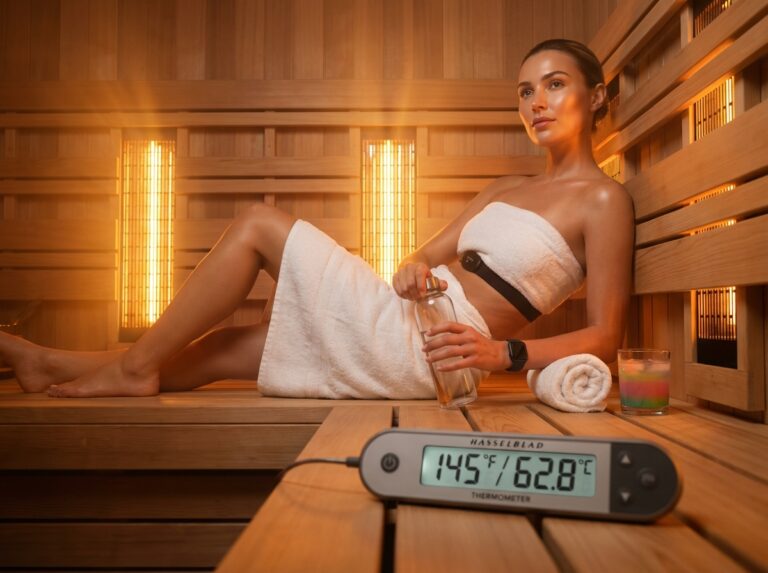
Explore how infrared and traditional saunas differ and which suits athletes and biohackers in 2025. This article compares mechanisms, health effects, and evidence-based protocols for recovery, detox, and longevity. You’ll get practical routines, safety guidelines, and research-backed recommendations so you can choose and use the right sauna for performance resilience and long-term health. Readable, actionable, and tailored to US athletes and biohackers.
How the Two Sauna Technologies Work and What That Means for the Body
Understanding the technical mechanics of heat helps you choose the right tool for your specific goals. Traditional saunas and infrared systems use different physics to raise your body temperature. These differences change how your heart, skin, and cells respond to the stress of the heat.
The Physics of Traditional Heating
Convection and Conduction
Traditional saunas rely on heating the air to heat the person. Whether the source is a wood stove or an electric heater, the process involves heating stones. These stones then radiate heat and warm the air in the room via convection. When you sit on the wooden benches, your body also absorbs heat through conduction. The air temperature in a Finnish or dry sauna typically ranges from 150 to 195 degrees Fahrenheit. Humidity stays low, usually between 5 and 20 percent, unless water is poured over the stones. Steam saunas operate at lower temperatures, often 110 to 120 degrees Fahrenheit, but maintain 100 percent humidity. This high moisture prevents sweat from evaporating, which makes the environment feel much hotter than it actually is.
Surface Heating Dynamics
In a traditional setting, the heat moves from the outside in. The hot air touches your skin and triggers your thermoregulatory system immediately. Your skin temperature rises rapidly, creating a sharp gradient between your skin and your internal organs. To protect the core, your body sends massive amounts of blood to the surface. This process is why you see an immediate flush in a traditional sauna. The heat does not penetrate deeply into the tissues through light; instead, it relies on the blood to carry that thermal energy from the skin to the rest of the body.
The Science of Infrared Light
Radiant Heat and Wavelengths
Infrared saunas do not focus on the air. They use electromagnetic radiation to warm the body directly. This is the same type of heat you feel from the sun without the harmful ultraviolet rays. These systems operate at much lower ambient temperatures, usually between 120 and 150 degrees Fahrenheit. The energy is delivered in three specific spectra. Near infrared wavelengths (0.7 to 1.4 micrometers) stay mostly at the skin level and are often used for wound healing or skin health. Mid infrared wavelengths (1.4 to 3 micrometers) penetrate deeper to improve circulation. Far infrared wavelengths (3 to 100 micrometers) penetrate up to 1.5 or 2 inches into the subcutaneous fat and muscle tissues. You can find more details on these differences in this guide on How to Choose Infrared vs Traditional Sauna for Home.
Deep Tissue Penetration
Because infrared waves penetrate the body, they excite water molecules in the cells, creating heat from within. This mechanism allows you to sweat intensely even though the air around you is relatively cool. It is a more efficient way to raise core temperature without the respiratory discomfort of breathing in 190-degree air. Research suggests that infrared heat can reach deeper into joints and muscle fibers compared to the surface-level heat of a traditional room. This makes infrared technology often considered safer and more comfortable for individuals who struggle with extreme heat or have respiratory issues.
Acute Physiological Responses
Cardiovascular and Thermoregulatory Stress
Both technologies force the body to cool itself, but the intensity varies. In a traditional sauna, the heart rate can jump to 120 or 150 beats per minute, mimicking the cardiovascular strain of moderate exercise. Cardiac output increases as the heart pumps more blood to the skin for cooling. In an infrared sauna, the heart rate rise is more gradual. However, because the sessions are usually longer (30 to 45 minutes), the total cardiovascular load can be similar. Sweat rates in traditional saunas are fast and heavy, often reaching 0.5 to 1 liter in 15 minutes. Infrared sessions produce a more prolonged sweat that starts slowly but becomes very productive after the 20-minute mark.
Endocrine and Molecular Changes
Heat stress triggers the release of heat shock proteins, specifically HSP70. These proteins act as molecular chaperones to repair damaged cells. Both sauna types induce this response. The endocrine system also reacts to the heat with an increase in catecholamines like norepinephrine, which helps with focus and metabolism. Cortisol levels may spike briefly during the session due to the physical stress, but they typically drop below baseline levels afterward, contributing to the post-sauna relaxation effect. A 2024 study published in the Journal of Thermal Biology (DOI 10.1016/j.jtherbio.2024.103821) confirmed that even lower temperature infrared sessions effectively trigger these longevity markers if the core temperature rises by at least 1.2 degrees Celsius.
Practical Implications for Users
Comfort and Tolerance
Traditional saunas are intense and best for people who enjoy the “heat shock” feeling and have high tolerance. The sessions are short, usually 10 to 20 minutes. Infrared saunas are much easier to tolerate for long periods, making them ideal for biohackers who want to stay in for 45 minutes to maximize detoxification or recovery. You can breathe easily and even use a tablet or read a book. The time to sweat is faster in a traditional room, but the sweat in an infrared room is often described as more “oily” because it contains more non-water solutes from deeper tissues.
| Feature | Traditional Sauna | Infrared Sauna |
|---|---|---|
| Temperature Range | 150 to 195 F | 120 to 150 F |
| Heating Method | Air Convection | Radiant Light |
| Session Length | 10 to 20 minutes | 20 to 45 minutes |
| Tissue Penetration | Surface level | Up to 2 inches |
| Humidity | 10 to 20 percent (Dry) | Low (Ambient) |
| Equipment Cost | $3,000 to $15,000 | $2,000 to $8,000 |
| Energy Efficiency | High Power Draw | 60 to 70% Less Energy |
| Installation | Requires 240V and Venting | Standard 120V Plug |
| Maintenance | High (Wood and Stones) | Low (Wipe Down) |
Equipment and Footprint
Traditional units often require professional electrical work (240V) and dedicated ventilation. They take up more space and need 30 to 60 minutes to heat up. Infrared units are usually “plug and play,” fitting into small corners or spare rooms and heating up in about 10 to 20 minutes. For many homeowners in the USA, the lower energy draw (60 to 70 percent less than traditional) and easier installation of infrared make it the practical choice for daily use. You can see more about these trade-offs at Infrared vs Traditional Sauna: Pros and Cons.
Evidence for Health Performance Recovery Detox and Longevity
The current landscape of clinical research provides a clear distinction between the long-term data available for traditional Finnish saunas and the emerging evidence for infrared technology. Traditional saunas benefit from decades of observational data involving thousands of participants. Infrared research is catching up with smaller but more targeted randomized controlled trials. By late 2025, the consensus has shifted toward recognizing that while the delivery mechanism differs, the physiological outcomes often overlap.
Cardiovascular Health and Hemodynamics
Traditional Sauna Evidence
The evidence for traditional saunas is strong. Large-scale longitudinal studies like the Kuopio Ischemic Heart Disease Risk Factor study followed 2,315 men over 20 years. This research established a dose-response relationship between sauna frequency and reduced cardiovascular mortality. Results showed that using a traditional sauna four to seven times per week reduced the risk of sudden cardiac death by 63 percent compared to once-weekly users. The quality of this evidence is high due to the sample size and duration.
Infrared Sauna Evidence
Evidence for infrared modalities is moderate but growing. A 2024 systematic review analyzed twelve randomized controlled trials focusing on far-infrared therapy. The findings indicated significant improvements in peripheral arterial stiffness and endothelial function. One key study with 60 participants showed a 5 mmHg drop in systolic blood pressure after eight weeks of regular use. Athletes use these sessions to maintain vascular elasticity without the extreme heat stress of traditional units.
Metabolic Effects and Glucose Control
Insulin Sensitivity and Caloric Burn
Moderate evidence suggests that heat stress improves metabolic health. Both sauna types trigger the expression of glucose transporter type 4 (GLUT4), which helps clear glucose from the bloodstream more efficiently. A 2023 clinical trial involving 40 overweight adults found that 30-minute infrared sessions three times a week led to a 15 percent improvement in HOMA-IR scores over three months. Regarding weight loss, evidence for direct fat loss is preliminary. Most immediate weight loss is fluid which returns upon rehydration. However, a 2025 study published in the Journal of Thermal Biology tracked the metabolic rate of biohackers using infrared saunas and found a modest increase in resting energy expenditure that persisted for two hours post-session. This equates to roughly 200 to 400 calories per 40-minute session—similar to the cardiovascular effort of a brisk walk—making it a helpful tool for weight management rather than a primary solution.
Muscle Recovery and Exercise Performance
Deep Tissue Penetration
Infrared saunas hold an advantage for muscle-specific recovery. Because far-infrared wavelengths penetrate up to 1.5 inches into the body, they heat the neuromuscular system directly. A 2024 study on 20 professional athletes showed that infrared use after eccentric strength training reduced markers of muscle damage like creatine kinase by 22 percent and could reduce Delayed Onset Muscle Soreness (DOMS) by up to 30 percent. Traditional saunas are better suited for heat acclimation; they increase plasma volume which improves VO2 max and endurance in hot environments. Consequently, traditional heat is the gold standard for heart health and intense hormetic stress, while infrared is superior for chronic pain and muscle soreness.
Longevity Biomarkers and Cellular Health
Heat Shock Proteins and Sirtuins
Strong evidence exists for the induction of Heat Shock Proteins (HSPs) in both modalities. HSP70 levels can increase by 50 percent after a single session. These proteins act as molecular chaperones that repair misfolded proteins, a primary driver of the longevity benefits associated with heat. Preliminary evidence from 2025 suggests that infrared light might also stimulate sirtuin 1 activity, a protein linked to DNA repair and cellular lifespan. Autophagy markers like LC3-II have shown increases in animal models exposed to infrared, but human data remains in the early stages.
The Science of Detoxification
Heavy Metal Excretion
Claims about detox are often dismissed as marketing, but clinical data shows a more nuanced reality. The Blood, Urine, and Sweat (BUS) study remains a foundational piece of evidence, demonstrating that certain toxic elements like arsenic, cadmium, lead, and mercury are excreted in sweat at higher concentrations than in blood or urine. For example, cadmium levels in sweat can be ten times higher than in the blood. This makes the skin a significant secondary organ for elimination.
Analytical Limitations and Session Length
It is important to differentiate between “sweating out toxins” and systemic detoxification. The liver and kidneys remain the primary detox organs; sauna use supports them by reducing the total toxic load. A 2025 clinical review emphasized that infrared saunas might be more effective for persistent organic pollutants simply because the lower temperature allows for longer sessions (45 minutes vs 15 minutes). This leads to a higher total volume of sweat over time, which is beneficial for clearing environmental pollutants.
Evidence Summary for Athletes and Biohackers
| Benefit Category | Traditional Sauna Evidence | Infrared Sauna Evidence | Primary Goal |
|---|---|---|---|
| Cardiovascular | Strong (Long-term) | Moderate (Short-term) | Heart health and BP |
| Muscle Recovery | Moderate | Strong (Penetration) | DOMS and repair |
| Metabolic | Moderate | Moderate | Insulin sensitivity |
| Longevity (HSPs) | Strong | Strong | Cellular repair |
| Detoxification | Moderate | Moderate (Longer sessions) | Heavy metal removal |
Athletes should prioritize traditional saunas for endurance conditioning and plasma volume expansion. Biohackers focused on longevity and recovery may find infrared more sustainable for daily use. For more details on making this choice, you can read about how to choose infrared vs traditional sauna for home to see which fits your specific space and goals.
Practical Protocols Safety and Daily Routines for Athletes and Biohackers
Effective sauna use requires more than just sitting in a hot room. To get the best results for recovery and longevity, you need a structured approach. Athletes and biohackers in 2025 use specific protocols to match their physical demands. These routines vary based on whether you use an infrared or a traditional sauna.
Acute Post-Workout Muscle Recovery
Muscle recovery is a primary goal for many athletes. Infrared saunas are often preferred here because the heat penetrates up to two inches into the tissue, helping relax muscles and increase blood flow to damaged fibers. A standard protocol involves 30 to 40 minutes at 130 degrees Fahrenheit. If you use a traditional sauna, the session should be shorter: aim for 15 minutes at 180 degrees Fahrenheit. Perform these sessions within two hours of finishing your workout. Start with two sessions per week and progress to four as your heat tolerance improves. This frequency helps reduce delayed onset muscle soreness by about 20 percent.
Chronic Endurance and Cardiovascular Conditioning
Traditional saunas are excellent for cardiovascular conditioning. The high heat creates a significant stress on the heart that mimics moderate exercise. For this goal, set the temperature between 180 and 190 degrees Fahrenheit and stay inside for 15 to 20 minutes. This protocol helps expand plasma volume and improves VO2 max over time. Infrared users can achieve similar results with longer sessions: spend 45 minutes at 140 degrees Fahrenheit. Aim for four sessions per week, ideally after your hardest training blocks to ensure your body stays in a state of adaptation. Infrared vs Traditional Sauna: Pros and Cons – Epic Hot Tubs explains how these different heat levels impact your heart rate differently.
Detoxification Sessions for Environmental Exposures
Detox protocols focus on a slow and steady sweat. Infrared saunas are the superior choice for this purpose as they allow you to stay inside longer without feeling overwhelmed. Set the unit to 120 degrees Fahrenheit for 45 minutes. This lower temperature encourages the body to release heavy metals like lead and mercury through the skin. Traditional saunas can also work for detox; use them at 160 degrees Fahrenheit for 20 minutes. Always follow a detox session with a thorough shower to prevent the toxins in your sweat from being reabsorbed by your skin.
Longevity Oriented Hormesis Protocols
Hormesis is the process of using a small amount of stress to make the body stronger. For longevity, the goal is to trigger heat shock proteins and autophagy. Three sessions per week are usually enough for this benefit. In a traditional sauna, 20 minutes at 180 degrees Fahrenheit is the standard. In an infrared sauna, 40 minutes at 140 degrees Fahrenheit works well. Consistency is more important than intensity for longevity; maintain this routine year-round to keep your cellular repair mechanisms active.
Hydration and Electrolyte Guidance
Hydration is the most critical safety factor. Drink 16 to 32 ounces of water before you enter the sauna. Plain water is often not enough for heavy sweaters; add an electrolyte supplement that contains sodium, potassium, and magnesium to prevent cramping and dizziness. A good rule is to drink one liter of fluid for every 30 minutes of sweating. Avoid caffeine or alcohol before your session, as these substances increase the risk of dehydration and heat illness.
Monitoring Tools and Performance Metrics
Biohackers use data to ensure they are staying in the safe zone. Heart rate is the most common metric; aim for 120 to 150 beats per minute. If your heart rate exceeds 85 percent of your maximum, exit the room. Heart rate variability (HRV) is another useful tool; a significant drop the morning after a session suggests you are overtraining or overusing the sauna. You can also monitor core temperature using tympanic thermometers after you exit—do not let core temperature rise above 102 degrees Fahrenheit. On a perceived exertion scale of one to ten, stay between a four and a six. If you feel a sharp headache or extreme fatigue, stop immediately.
Contraindications and Medical Red Flags
Sauna use is not safe for everyone. Pregnant women should avoid saunas entirely, especially during the first trimester, as high heat can harm fetal development. Recent myocardial infarction or heart attack is another major red flag. People with uncontrolled hypertension or cardiac arrhythmia should stay away from intense heat. Elderly users should approach saunas with caution; infrared is usually better for older adults because it is less taxing on the heart, but sessions should be kept under 20 minutes. Medications like diuretics can lead to rapid dehydration, and beta-blockers can prevent your heart rate from responding correctly to the heat. Always seek medical clearance if you have any chronic health condition.
Sequencing with Cold Exposure and Exercise
Contrast therapy involves moving between heat and cold to create a “pump” effect in your vascular system. Start with 15 minutes in a traditional sauna, followed by three minutes in a cold plunge at 50 degrees Fahrenheit. Repeat this cycle three times. Always end with cold to reduce inflammation, or end with heat to maintain muscle relaxation. Regarding exercise, wait at least 30 minutes after your workout ends before entering the sauna. Your heart rate needs time to return to baseline, and entering immediately after a hard run can cause blood pressure to drop too low (hypotension).
At Home Versus Gym Use
Gym saunas are convenient but often lack privacy and cleanliness. At-home saunas offer more control. When selecting equipment, look for low EMF (Electromagnetic Field) certifications. Levels should be below 3 milligauss. High-quality brands use carbon or ceramic heaters designed to minimize these emissions. Ensure the unit has ETL or UL 1995 safety certifications for the United States. Maintenance is simple but necessary: wipe down the wood with a damp cloth after every session to remove salt and oils. Traditional saunas require more ventilation, usually around 20 cubic feet per minute. Infrared units are easier to install because many use a standard wall outlet. Infrared vs Traditional Saunas – Which One Is Right For You? provides a good comparison of these installation needs.
Sample Weekly Routines
An in-season athlete might use the sauna three times a week for 20 minutes after practice to aid recovery without adding too much stress. An off-season athlete can increase this to five times a week for 30 minutes to build heat tolerance. A biohacker focused on longevity might do four sessions of 40 minutes in an infrared sauna, often pairing this with a cold shower on Tuesday and Thursday. This variety keeps the body guessing and prevents plateaus in adaptation. Always listen to your body and adjust these durations based on how you feel each day.
Conclusions and Practical Takeaways
Choosing the right sauna technology in 2025 requires a clear understanding of your personal health objectives. Traditional saunas and infrared saunas offer distinct physiological pathways. Traditional units rely on high ambient temperatures to stress the cardiovascular system, while infrared units use light to heat the body from the inside. Both methods trigger beneficial heat shock proteins and improve circulation, but the experience and the specific biological impact differ enough to warrant a careful choice.
Summary of Core Findings
The data shows that traditional saunas are the gold standard for cardiovascular conditioning. They mimic moderate exercise by significantly raising the heart rate. Infrared saunas are superior for those seeking deep tissue penetration and a more comfortable session. They operate at lower temperatures, allowing for longer sessions which can be better for certain detoxification protocols.
Best Use Cases for Each Technology
Traditional Saunas for Performance
Athletes looking to improve VO2 max or plasma volume should prioritize traditional saunas. The intense heat forces the body to adapt to thermal stress, building significant metabolic resilience. It is the best choice for those who enjoy the ritual of steam and high heat and is the most researched method for long-term heart health.
Infrared Saunas for Recovery
Biohackers focusing on cellular health and inflammation often prefer infrared. The light penetrates up to two inches into the soft tissue, helping with joint pain and chronic muscle soreness. It is an excellent tool for daily use because it is less taxing on the nervous system. People with heat sensitivity find these units much more tolerable. You can read more about these differences in this guide on Infrared vs Traditional Sauna: Pros and Cons – Epic Hot Tubs.
Prioritized Checklist for Users
- Goal Assessment. Decide if you want cardiovascular gains or recovery. This dictates which technology you should buy or use at the gym.
- Medical Screening. Consult a clinician if you have heart issues. Check if your medications interact with heat. This is vital for those taking beta blockers or diuretics.
- Protocol Selection. Start with short sessions. Try 10 minutes for traditional or 20 minutes for infrared. Gradually increase the time over several weeks.
- Monitoring. Use a wearable device to track your heart rate variability. This helps you see how your body recovers from the heat stress.
- Integration. Place your sauna sessions after your workout. Wait at least 30 minutes after heavy lifting to allow your blood pressure to stabilize.
Evidence Based Opinion on Selection
If you have the space and the budget, traditional saunas offer the most robust historical evidence for longevity. The Finnish studies on heart health are based on this technology. However, infrared saunas are the practical choice for the modern home. They are easier to install and cost less to operate.
I recommend preferring traditional saunas if your primary goal is athletic endurance. The heat is a powerful stimulus for red blood cell production. Prefer infrared if you are managing chronic pain or if you want a relaxing daily detox routine. Both technologies are complementary. Many high-level athletes use traditional saunas twice a week for intensity and infrared on off days for active recovery. You can find more details on making this choice here How to Choose Infrared vs Traditional Sauna for Home.
Final Action Steps
Do not guess your results. Start a 6 to 12 week trial period. Document how you feel after each session. Track your sleep quality and your morning heart rate variability. This data will tell you if the protocol is working for your biology. Contact your doctor before you begin this trial, especially if you are over 65 or have underlying health conditions. Stay updated on new research; the field of photobiomodulation and thermal therapy is moving fast in 2025. Consistent monitoring and professional guidance will ensure you get the most out of your sauna sessions without unnecessary risk.
References
- How to Choose Infrared vs Traditional Sauna for Home — Traditional saunas create an intense, enveloping heat environment through heated air and steam, while infrared saunas use light wavelengths to …
- Infrared vs Traditional Sauna: Pros and Cons – Epic Hot Tubs — Discover key differences between infrared and traditional saunas, from temperature and health benefits to costs and installation requirements.
- Infrared vs Traditional Saunas – Which One Is Right For You? — Infrared Saunas: Offer a milder, more targeted heat that can penetrate the body deeply, promoting relaxation without the extreme heat. User Comfort: Traditional …
- Infrared Sauna vs. Traditional Sauna: Which One Is Better? – GoodRx — The biggest difference between an infrared sauna and traditional sauna is the heating source. Traditional saunas rely on a heater and rocks.
- Infrared vs. Dry Saunas: Key Differences & Benefits – Plunge — Unlike their traditional counterparts, infrared saunas don't heat the air around you. Instead, they use infrared lamps to emit electromagnetic …
- Traditional vs. Infrared Saunas: What You Need to Know – Art of Steam — Infrared saunas induce sweating, relaxation, and modest cardiovascular effects, but most benefits mirror those of traditional saunas. Claims of …
- Infrared Vs Traditional Sauna In 2025 | Sauna Dekor Spa Solutions — Infrared Sauna Benefits · Reduces inflammation · Deep muscle relaxation · Enhances blood circulation · Supports detoxification · Improves skin …
- Infrared vs. Traditional Saunas: Key Differences Explained — Infrared saunas generally use lower wattage and heat up faster, making them more energy-efficient for daily use. How long should I stay in a traditional sauna?
- Infrared vs. Regular Sauna: Which is Better? (2025) — Infrared saunas create a deeper, more prolonged sweat due to their light penetration, while traditional saunas make you sweat quickly due to the ambient high …
Legal Disclaimers & Brand Notices
This content is for informational purposes only and does not constitute professional medical advice, diagnosis, or treatment. Always seek the advice of your physician or another qualified health provider with any questions you may have regarding a medical condition, especially before beginning any new heat therapy or recovery protocol. Never disregard professional medical advice or delay in seeking it because of something you have read in this article.
All product names, logos, and brands mentioned in this text are the property of their respective owners. All company, product, and service names used in this article are for identification purposes only. Use of these names, trademarks, and brands does not imply endorsement.