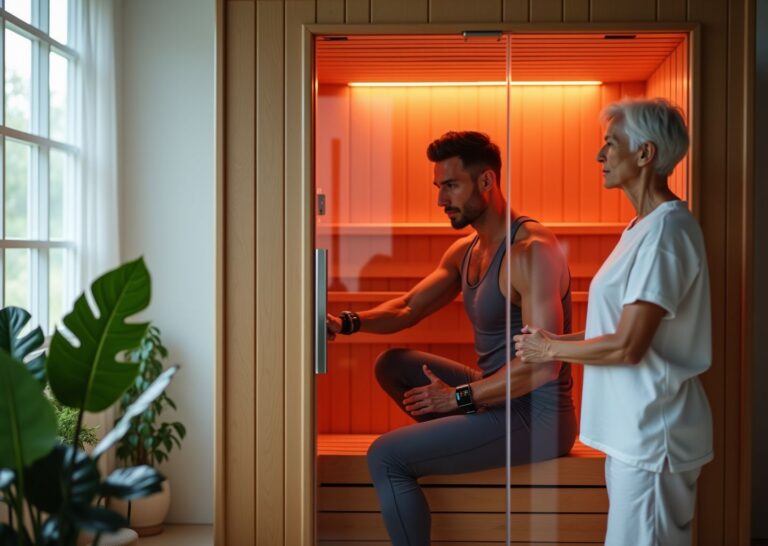
This article examines the calorie burning myth versus metabolic reality and how infrared sauna therapy fits into performance, recovery, detox, and longevity strategies. We unpack real metabolic drivers, evidence for heat therapy effects, and provide practical infrared sauna protocols tailored to athletes and biohackers while emphasizing safety, hydration, and realistic expectations for weight management.
Understanding the calorie burning myth and metabolic basics
Many people still view weight loss as a simple math problem. They believe that if they eat less and move more, the scale will move down in a predictable way. This idea is known as calories in versus calories out. It suggests the body is like a simple furnace that burns fuel at a constant rate. This model is incomplete because it ignores the complex biological systems that regulate how we use energy. Research by evolutionary anthropologists like Herman Pontzer has shown that our bodies are much more adaptive than previously believed. Herman Pontzer busts myths about how humans burn calories by demonstrating that our total energy expenditure often stays within a narrow range regardless of how much we exercise, a concept known as the constrained energy expenditure model.
The Components of Energy Expenditure
To understand how your body uses fuel, you need to look at Total Daily Energy Expenditure or TDEE. This is the total number of calories you burn in twenty-four hours. It is made up of four distinct parts.
Basal Metabolic Rate and Resting Metabolic Rate
Basal Metabolic Rate or BMR is the energy your body needs to perform basic life-sustaining functions. This includes breathing, circulating blood, and cell production. Resting Metabolic Rate or RMR is a similar measure taken under less strict conditions. These account for 60 to 75 percent of your total daily burn. Muscle mass significantly influences this number because muscle is more metabolically active than fat tissue.
Thermic Effect of Food
Thermic Effect of Food or TEF is the energy used to digest, absorb, and process nutrients. It usually makes up about 10 percent of your TDEE. Different macronutrients require different amounts of energy to process. Protein has the highest thermic effect, requiring much more energy to break down than fats or carbohydrates.
Non-Exercise Activity Thermogenesis
Non-Exercise Activity Thermogenesis or NEAT includes all the energy spent on movement that is not intentional exercise. This includes walking to your car, typing, or even fidgeting. NEAT can vary by hundreds of calories between individuals and is often the biggest difference between a fast and slow metabolism.
Exercise Activity Thermogenesis
Exercise Activity Thermogenesis or EAT is the energy burned during planned physical activity. For most people, this is the smallest part of their daily expenditure, often accounting for only 5 to 10 percent of the total.
The Role of Hormones and Biology
Your metabolism is not a fixed number. It is a dynamic system controlled by hormones. The thyroid gland produces hormones that act as a master controller for your metabolic speed. If thyroid levels drop, your BMR slows down. Insulin is another key player. It is a storage hormone that tells your body to move sugar into cells or store it as fat. High insulin levels can make it difficult for the body to access stored fat for fuel.
Cortisol is the stress hormone. When it is chronically high due to lack of sleep or extreme dieting, it can lead to muscle loss and fat storage around the abdomen. Sex hormones like estrogen and testosterone also influence body composition. Testosterone helps build and maintain muscle, while changes in estrogen can affect how the body distributes fat.
As we age, our metabolism naturally slows down. This is partly due to the loss of muscle mass and changes in hormonal balance. Genetics also play a role. Some people have variations in genes like UCP1 that make them naturally more or less efficient at burning energy. Even the gut microbiome affects weight. Certain bacteria are better at extracting calories from food, which can influence your net energy intake.
The Reality of Weight Loss Plateaus
The old rule that cutting 3500 calories leads to one pound of fat loss is a myth. New research has disproved this rule of thumb because it does not account for metabolic adaptation. When you reduce your calorie intake significantly, your body responds by becoming more efficient. This is called adaptive thermogenesis. Your BMR may drop by 15 percent more than expected based on your weight loss alone.
Rapid weight loss is often misleading. In the first few weeks of a strict diet, the weight lost is mostly water and glycogen. Glycogen is the storage form of carbohydrates in your muscles and liver. Each gram of glycogen holds about three to four grams of water. When you use up your glycogen, the water goes with it. If the deficit is too aggressive, your body may also break down lean muscle mass for energy. It is time to bust the calories in, calories out weight-loss myth because focusing only on the scale ignores these changes in body composition.
Measurable Metrics for Success
Instead of just watching the scale, you should use more precise metrics to track your metabolic health. These tools provide a clearer picture of how your body is changing.
| Metric | What it Measures | Why it Matters |
|---|---|---|
| Resting Heart Rate | Heart beats per minute at rest | Lower rates often indicate better cardiovascular efficiency. |
| DEXA Scan | Body fat and muscle mass | Shows if you are losing fat or valuable muscle. |
| Indirect Calorimetry | Actual Resting Metabolic Rate | Provides a precise baseline for your daily calorie needs. |
| HRV Monitoring | Heart Rate Variability | Indicates how well your nervous system is recovering from stress. |
Activity trackers can be useful for monitoring trends in your movement. However, you should be aware that they often overestimate the calories burned during exercise by 20 to 30 percent. Relying too heavily on these numbers can lead to overeating.
Sustainable weight loss comes from small, consistent energy deficits. A reduction of about 500 calories a day is usually enough to trigger fat loss without causing a massive drop in metabolic rate. This approach helps preserve muscle mass and keeps hormones in balance. Understanding these metabolic basics is the first step toward long-term health. In the next section, we will look at how external factors like passive heating can further influence these physiological processes.
How heat and passive heating influence metabolic physiology
Passive heating through infrared sauna use triggers a complex cascade of physiological events that mimic some aspects of physical exercise. When you enter the heat, your body immediately begins a process of thermoregulation to maintain its internal set point. This starts with a significant rise in skin temperature, which can climb between 5 and 10 degrees Celsius. Your core temperature follows more slowly, typically increasing by 1 to 2 degrees Celsius over a 30 minute session. To facilitate cooling, your heart rate elevates to levels between 100 and 150 beats per minute. This cardiovascular strain is comparable to moderate intensity aerobic activity. Your blood vessels undergo massive vasodilation, increasing skin blood flow by as much as 250 percent as the body attempts to dissipate heat through the surface. This shift in blood volume requires the heart to pump more vigorously, which explains the rise in heart rate and the transient increase in metabolic rate.
The metabolic surge during a sauna session is often misunderstood in the context of fat loss. While your metabolic rate can jump by 20 to 30 percent while you are in the heat, the total energy expenditure remains relatively low compared to active movement. A typical hour of passive heating might burn between 300 and 600 calories, though this figure varies widely based on individual physiology. However, it is vital to distinguish between total weight loss and fat loss. Most of the weight lost during a session is 1 to 2 liters of sweat, which is almost entirely water and electrolytes. Research into the 3500-calorie weight loss myth shows that weight loss is rarely a linear calculation of calories in versus calories out. In the case of the sauna, the net fat oxidation is minimal, often estimated at less than 50 calories per session once the body rehydrates. Relying on heat alone for fat loss ignores the reality that the body quickly compensates for passive energy expenditure. Evolutionary anthropologist Herman Pontzer has shown that human energy expenditure is often constrained, meaning the body may reduce energy use in other areas to offset the calories burned during heat stress.
Heat Shock Proteins and Cellular Repair
The true value of passive heating lies in cellular adaptations rather than immediate calorie burning. One of the most significant responses is the activation of heat shock proteins, particularly HSP70. These proteins act as molecular chaperones that repair misfolded proteins and protect cells from oxidative stress. Clinical findings indicate that HSP70 levels can increase by 2 to 5 times following a 30 minute session at 73 degrees Celsius. This protein activation peaks during the exposure and remains elevated for several hours afterward. These proteins play a critical role in muscle preservation and longevity by preventing the protein degradation that typically occurs with age or inactivity.
Mitochondrial and Insulin Sensitivity Improvements
Repeated heat exposure serves as a powerful stimulus for mitochondrial biogenesis. Studies have observed up to a 25 percent increase in mitochondrial density through the activation of the PGC-1alpha pathway. This means your cells become more efficient at producing energy over time. Furthermore, infrared sauna use has a documented impact on insulin sensitivity. Regular users may see improvements in insulin sensitivity of 20 to 30 percent after just three weeks of consistent use. This occurs because heat stress increases the expression of glucose transporter proteins and enhances blood flow to skeletal muscle, making it easier for the body to manage blood sugar levels. Systematic reviews have also noted a 15 percent drop in C-reactive protein, suggesting a potent systemic anti-inflammatory effect from regular sessions.
| Sauna Type | Typical Temperature | Heat Delivery Method | Tissue Penetration |
|---|---|---|---|
| Far Infrared (FIR) | 45 to 60°C | Light waves (5 to 15 μm) | Up to 4 cm |
| Near Infrared (NIR) | 40 to 50°C | Light waves (0.8 to 1.5 μm) | Superficial (1 cm) |
| Dry Steam Sauna | 80 to 100°C | Heated air and rocks | Surface heating only |
Differences in Heat Delivery
The choice of technology changes how your body responds to the heat. Far infrared saunas use specific light wavelengths to penetrate deep into the soft tissue, which allows for vigorous sweating at lower, more comfortable air temperatures. Near infrared is often used for topical skin health and more superficial tissue work. Traditional dry steam saunas rely on extremely high air temperatures to heat the body from the outside in. While the heart rate response in a steam sauna can be 10 beats per minute higher due to the added humidity, infrared options are often preferred by athletes for their ability to heat the core without the oppressive feeling of hot, humid air. Each method triggers the cardiovascular markers mentioned earlier, but infrared provides a more efficient route to deep tissue heating.
Individual Variability and Cardiovascular Markers
Physiological responses to heat are not uniform across all individuals. Heart rate elevation can vary by 20 beats per minute based on your baseline fitness and age. Athletes with high cardiovascular efficiency may require longer sessions or higher temperatures to reach the same heart rate as a sedentary person. Clinical data from long term studies, such as the Finnish Kuopio Heart Study, show that those who use the sauna 4 to 7 times per week have a significantly lower risk of cardiovascular disease. This is attributed to the regular improvement in endothelial function and a reduction in systolic blood pressure by 5 to 10 mmHg. While the sauna is not a primary tool for fat loss, its ability to enhance metabolic health and cardiovascular resilience makes it a vital component of a longevity protocol.
Designing infrared sauna protocols for recovery performance and detox goals
Infrared saunas fit into the metabolic picture not as a primary weight loss tool but as a metabolic conditioner. While a session might raise your heart rate to 120 or 150 beats per minute, the actual fat loss is minimal. Most weight lost during a session is water. However, the physiological stress of heat triggers adaptations that improve insulin sensitivity and mitochondrial function. These changes make your body more efficient at processing energy over the long term.
Protocols for Heat Acclimation and Performance
Beginner Acclimation Schedule
For those starting out, a conservative approach is necessary. Begin with 10 to 15 minutes at 50 to 55 degrees Celsius. Do this two or three times a week to let your cardiovascular system adapt. Focus on sitting upright to allow the infrared panels to reach your core effectively. If your heart rate exceeds 100 beats per minute or you feel lightheaded, end the session immediately.
Advanced User Progression
Advanced users can push to 30 or 45 minutes at 60 to 70 degrees Celsius, four to seven times per week. At this level, the body has become efficient at sweating and cooling itself. You can monitor progress by tracking how quickly your heart rate returns to baseline after exiting. A faster recovery indicates improved cardiovascular fitness and heat tolerance.
Goal Specific Infrared Strategies
Recovery for Strength Athletes
Recovery protocols should be shorter and use lower temperatures. A 20 minute session at 55 degrees Celsius after a strength workout helps reduce muscle soreness. The goal is to encourage blood flow to damaged tissues without adding excessive systemic stress. You can pair this with contrast therapy by following the heat with a two minute cold plunge at 10 degrees Celsius. Repeat this cycle three times to help manage inflammation.
Endurance Adaptation
Endurance athletes looking for heat acclimation should aim for longer exposures. Daily sessions of 30 minutes for 10 consecutive days can increase plasma volume by 10 percent. This improves your ability to perform in hot environments and increases your VO2 max. Timing these sessions after a moderate run can amplify the signal for the body to expand blood volume.
Detoxification Support
Detox protocols require a focus on sweat management. A 45 minute session is effective but requires aggressive hydration. Sweat can contain heavy metals like arsenic, cadmium, and lead at concentrations much higher than what is found in blood or urine. To support this process, use a towel to wipe away sweat during the session. This prevents the reabsorption of waste products through the skin.
Longevity and Biohacking
For longevity, consistency is more important than intensity. A regular schedule of four sessions per week for 20 minutes each is linked to significant cardiovascular benefits. If you have access to blood testing, you can monitor heat shock protein markers like HSP70. These proteins help repair damaged cellular structures and are a key target for those focused on slowing the aging process.
Practical Monitoring and Hydration
Intensity and Safety Markers
Use the Rate of Perceived Exertion scale to judge your sessions. Aim for a 5 or 6 out of 10 for general health. If you reach a 7 or 8, it is time to exit. Keep your heart rate below 80 percent of your age predicted maximum. Check your urine color afterward. It should be pale yellow. If it is dark, you have not replaced enough fluid.
Rehydration and Electrolytes
Water alone is insufficient after a heavy sweat. You need to replace sodium, potassium, and magnesium. A simple rehydration recipe includes one liter of water, one quarter teaspoon of sea salt, and a squeeze of lemon juice. Aim for 500 milligrams of sodium per liter of fluid lost. Weighing yourself before and after the session can help you determine exactly how much water you need to replace. Drink 1.5 liters for every kilogram of weight lost.
Sample Weekly Routines
| Athlete Type | Monday | Wednesday | Friday | Weekend |
|---|---|---|---|---|
| Strength | 20 min Post-Lift | 20 min Post-Lift | 20 min Post-Lift | Rest |
| Endurance | 30 min Acclimation | 30 min Acclimation | 30 min Acclimation | 40 min Sunday |
| Biohacker | 15 min AM HSP | 15 min AM HSP | 15 min AM HSP | 20 min Saturday |
Clothing and Positioning
Wear minimal clothing to allow infrared light to penetrate the skin. A light cotton towel is sufficient. Sit with your back toward the panels but do not lean directly against them. If your sauna has floor panels, keep your feet flat to encourage circulation. If you feel any sharp stinging on the skin, move further away from the emitters.
Safety considerations contraindications and integration with diet and training
Safety is the most important part of any heat protocol. While infrared saunas offer many benefits for recovery, they put a specific type of stress on the cardiovascular system. You need to know when your body can handle that stress and when it is better to stay out. Absolute contraindications are conditions where sauna use is strictly prohibited. This includes anyone who has suffered a heart attack within the last six months. People with unstable angina or severe aortic stenosis should avoid the heat entirely. If you have an implanted electronic device like a pacemaker, you must check with your doctor and the device manufacturer. Some infrared panels use magnets that can interfere with how these devices function. Unstable cardiovascular disease makes the heart rate increase too risky for a passive session.
Relative contraindications require a conversation with a medical professional before you start. This group includes pregnant women because extreme heat can affect fetal development. People with severe hypotension or resting blood pressure below 90 over 60 should be careful. The heat causes blood vessels to widen, which can lead to fainting or falls. If you have a history of kidney disease, your body might struggle to manage the fluid shifts that happen during heavy sweating. Always seek medical clearance if you have a chronic health condition that affects your ability to regulate temperature.
Medication and Substance Interactions
Certain medications change how your body reacts to high temperatures. Diuretics are a major concern because they increase the risk of severe dehydration. They pull fluid from your system, and the sauna pulls even more through sweat. Beta blockers are another issue for athletes. These drugs blunt your heart rate response. You might feel like you are at a low intensity while your core temperature is actually rising to dangerous levels. Alcohol is a significant risk factor. It dehydrates the body and impairs your internal thermostat. Using a sauna after drinking increases the chance of heat stroke or heart rhythm issues. Even a few drinks the night before can leave you vulnerable to heat exhaustion the next day.
Recognizing Heat Illness
You must listen to your body and know the warning signs of heat illness. Stop your session immediately if you feel nauseous, dizzy, or develop a throbbing headache. A heart rate that exceeds 85 percent of your age predicted maximum is a sign to exit. If you stop sweating while still in the heat, this is a medical emergency. Confusion or a lack of coordination means your brain is getting too hot. Exit the sauna and sit in a cool room. Do not jump into a cold plunge immediately if you feel sick. Let your body temperature come down gradually while sipping room temperature water.
Hydration and Electrolyte Protocols
Effective hydration starts long before you turn on the sauna. Drink half a liter of water with electrolytes about an hour before your session. A simple recipe involves one liter of water mixed with 500 milligrams of sodium and 100 milligrams of potassium. This helps maintain blood volume as you sweat. During the session, take small sips of water rather than gulping large amounts. After you finish, weigh yourself. For every kilogram of weight lost, you should drink 1.5 liters of fluid over the next few hours. Check your urine color to ensure it stays a pale yellow. If it looks like apple juice, you are significantly dehydrated and need more fluids.
Integration with Training and Nutrition
Combining sauna sessions with hard training requires a smart schedule. Do not use the sauna right before a heavy lifting session. The heat relaxes your muscles and can reduce your power output. However, using a sauna before a workout for 15 minutes can increase flexibility by 10 to 20 percent, acting as a passive warm-up for mobility work. For strength and hypertrophy, it is better to use the sauna after your workout to support recovery. If you just finished a high intensity interval training session, wait at least thirty minutes. Your heart rate needs to settle before you add the heat stress. For nutrition, aim for a meal within an hour of finishing. Focus on one gram of carbohydrates per kilogram of body weight to replenish glycogen. Add thirty grams of protein to help repair muscle tissue. This timing supports the metabolic benefits of the heat while preventing muscle breakdown.
Guidelines for Older Adults and Metabolic Disorders
Older adults over the age of sixty five should take a conservative approach. Start with ten minutes at 45 degrees Celsius and see how your heart rate responds. The ability to sweat often declines with age, so the risk of overheating is higher. For those with Type 2 diabetes, the sauna can improve insulin sensitivity. However, heat can cause blood sugar levels to drop by 10 to 20 points quite quickly. Always monitor your glucose before and after a session. Keep a fast acting carbohydrate source nearby in case of hypoglycemia. Regular use can be a great tool for metabolic health, but it requires careful monitoring.
Monitoring and Progression
Use objective data to track your progress and safety. Heart Rate Variability or HRV is a great tool for biohackers. If your HRV score drops significantly, it means your nervous system is overtaxed. Take a break from the sauna until your scores recover. You can also track your subjective recovery on a scale of one to ten. If you feel sluggish the day after a session, the heat was likely too intense. Start with two sessions a week and add five minutes to your time every seven days. This slow progression allows your body to build heat shock proteins without causing burnout. Research from Herman Pontzer shows that our bodies adapt to energy demands, so consistency matters more than extreme intensity.
| Metric | Safe Range | Warning Sign |
|---|---|---|
| Heart Rate | 100 to 150 bpm | Over 170 bpm |
| Weight Loss | Less than 2% body mass | Over 3% body mass |
| Urine Color | Pale yellow | Dark amber |
| HRV (RMSSD) | Stable or increasing | 20% drop from baseline |
Final takeaways and practical action plan
The evidence regarding human metabolism has shifted significantly in recent years. We now know that the body does not work like a simple calculator where you add exercise to burn more total energy. When you increase physical activity through intense training or sauna sessions, your body often compensates by reducing the energy it spends on other internal processes. This is why relying on a sauna as a primary fat loss tool usually leads to disappointment.
Infrared saunas are powerful because they help manage physiological stressors rather than just burning calories. They improve insulin sensitivity and help your heart work more efficiently. They trigger heat shock proteins that protect your muscles. These are the real reasons to use a sauna. You are building a more resilient body, not just chasing a number on a scale.
The 30 Day Practical Action Plan
This plan focuses on building heat tolerance and supporting your existing training. Do not rush the process. Your cardiovascular system needs time to adapt to the thermal load.
| Phase | Frequency | Duration | Temperature |
|---|---|---|---|
| Week 1 Acclimation | 3 sessions | 15 minutes | 120 F / 50 C |
| Week 2 Consistency | 3 sessions | 20 minutes | 125 F / 52 C |
| Week 3 Adaptation | 4 sessions | 25 minutes | 130 F / 54 C |
| Week 4 Optimization | 4 sessions | 30 minutes | 140 F / 60 C |
Hydration and Electrolyte Rules
You will lose between one and two liters of sweat during a full session. This is not fat loss. It is fluid loss. You must replace it to avoid metabolic slowing and fatigue. Drink sixteen ounces of water with electrolytes thirty minutes before you enter the sauna. After you finish, drink another thirty two ounces of water. Aim for five hundred milligrams of sodium and one hundred milligrams of potassium for every liter of water. You can make a simple mix at home using high quality sea salt and a squeeze of lemon. If your urine is darker than a pale yellow, you are not drinking enough.
Monitoring Your Progress
Use these three checkpoints to see how your body is responding to the heat.
Week 1 Checkpoint
Monitor your heart rate during the session. It should stay below 140 beats per minute for beginners. If your heart is racing faster than that, shorten the session or lower the temperature. You are looking for a stable response where you feel warm but not panicked.
Week 3 Checkpoint
Observe your sweat response. As you adapt, your body becomes more efficient at cooling itself. You will likely notice that you start sweating sooner than you did in the first week. This is a sign of improved thermoregulation.
Week 6 Checkpoint
Check your morning heart rate variability. Use a wearable device to track your RMSSD scores. If your scores are increasing or staying stable despite hard training, the sauna is successfully aiding your recovery. If your scores drop significantly, you may be overdoing the heat exposure.
Safety Red Flags
You must listen to your body. Exit the sauna immediately if you feel dizzy or lightheaded. Nausea is a sign of heat exhaustion. If you stop sweating while inside the heat, that is a medical emergency. Do not use the sauna if you have consumed alcohol. Alcohol doubles your risk of severe dehydration. If you have a heart condition or are taking beta blockers, you must consult a sports physician. Beta blockers can blunt your heart rate response and make it harder for your body to cool down.
Integration with Weight Loss Strategies
Use the sauna as a recovery tool after your strength training or endurance work. It helps clear metabolic waste and reduces muscle soreness. This allows you to return to your next workout with more intensity. Combine this with a diet high in protein to protect your lean muscle mass. Protein has a higher thermic effect than fats or carbohydrates. It requires more energy to digest.
Individualized Next Steps
If you want to get serious about your metabolic health, consider professional testing. A Resting Metabolic Rate test using indirect calorimetry can tell you exactly how many calories your body burns at rest. This removes the guesswork from your nutrition plan. You might also work with a certified sauna therapist to create a protocol for specific goals like heavy metal detoxification. They can help you balance heat exposure with cold contrast therapy for maximum longevity benefits. Always prioritize consistency over intensity. The cellular benefits of infrared heat come from regular use over months and years.
References
- This scientist busts myths about how humans burn calories—and why — The calorie counter. Evolutionary anthropologist Herman Pontzer busts myths about how humans burn calories—and why. 17 Feb 2022; 12:02 PM ET; By …
- The 3500-Calorie Weight Loss Myth — New research has disproved this rule of thumb, known as the 3500-calorie rule. Cutting 500 calories a day can lead to weight loss, but it may not be as much as …
- The Calorie Counter: Evolutionary Anthropologist Herman Pontzer … — The Calorie Counter: Evolutionary Anthropologist Herman Pontzer busts myths about how humans burn calories—and why · Metabolism over the life …
- The calorie-burning myth: Examining sugar companies' influence in … — The human diet has three primary sources of calories: carbohydrates, proteins, and dietary fats, and the body metabolises each type of calorie …
- It's time to bust the 'calories in, calories out' weight-loss myth — When we reduce our calorie intake to lose weight, we lose muscle and fat. This decrease in body mass results in an expected decrease in …
- Scientific Challenges on Theory of Fat Burning by Exercise – PMC — The first basic assumption of fat burning theory is that fat cell death has no role in fat loss. However, this assumption is unlikely valid …
- Does your body really fight against weight loss? This scientist … – UAB — “Can we have a dietary intervention that mimics these effects?” A ketogenic diet gets most of its calories from fat, with the goal of triggering …
- Mythbusting | Weight Loss – ACSM — All physical activity burns calories. More intensity equals greater caloric burn, but more overall volume, even at lower intensities and durations can add up …
Legal Disclaimers & Brand Notices
The information provided in this article is for informational and educational purposes only and does not constitute professional medical advice, diagnosis, or treatment. Always seek the advice of your physician or another qualified healthcare provider with any questions you may have regarding a medical condition, especially before beginning new heat therapy protocols, sauna sessions, or significant changes to your exercise and hydration routines.
All product names, logos, and brands mentioned in this text are the property of their respective owners. All company, product, and service names used in this article are for identification purposes only. Use of these names, logos, and brands does not imply endorsement.