Infrared sauna blankets promise portable heat therapy for recovery, detox, and longevity — appealing to athletes and biohackers seeking performance gains and better health. This article examines how these devices work, what the scientific evidence actually supports, practical protocols for recovery, detoxification, and heat-based longevity strategies, plus safety, product guidance, and answers to common questions to help you use them effectively.
How Infrared Sauna Blankets Work and How They Differ from Traditional Saunas
Infrared sauna blankets work by using electromagnetic radiation to stimulate living tissues. This process is fundamentally different from how a traditional Finnish sauna operates. In a classic sauna, a heater warms the air to very high temperatures (often 150–195°F). That hot air then heats your body through a process called convection. An infrared blanket skips the air entirely. It uses radiant heat to warm your body directly. This allows the blanket to be effective at much lower ambient temperatures than a wooden sauna room. You can get a deep sweat without the intense, stifling feeling of breathing in superheated air.
The infrared spectrum is divided into three main parts. Near infrared has the shortest wavelength and mostly affects the surface of your skin. Mid infrared wavelengths go a bit deeper into the soft tissue. Far infrared is the most common type used in sauna blankets. These waves can penetrate up to four centimeters into your body. This deep penetration is what triggers a heavy sweat and a rise in core temperature. Because the heat goes so deep, it can reach muscles and even internal organs, which is why many people find it more effective for pain relief than a simple heating pad.
Most high quality blankets use carbon fiber heating elements. These elements are thin, flexible, and woven into the layers of the blanket to provide even heat. These devices typically have a power output between 200 and 500 watts. You can usually adjust the temperature within a safe range of 100 to 160 degrees Fahrenheit (38 to 71 degrees Celsius). Most users find that 120 to 140 degrees Fahrenheit is the most comfortable and effective range for a standard session.
Your body has several immediate reactions when you step into the blanket. Within five to ten minutes, your blood vessels begin to widen in a process known as peripheral vasodilation. This helps your body try to cool itself down. Your heart rate will also start to climb, often increasing by twenty to thirty percent. This response mimics the cardiovascular strain of a moderate walk or a light jog. Your core body temperature will typically rise by one or two degrees Celsius after thirty minutes of use, triggering heavy sweating.
There are also important molecular responses happening under the surface. The heat stress causes your body to produce heat shock proteins. These proteins act like a repair crew for your cells, helping fix misfolded proteins and protecting your cells from future stress. The heat also improves endothelial function, meaning the lining of your blood vessels becomes more flexible and efficient. While the heat is a physical stressor, many people experience a shift toward parasympathetic dominance (the “rest and digest” state) after the session, aiding long term recovery.
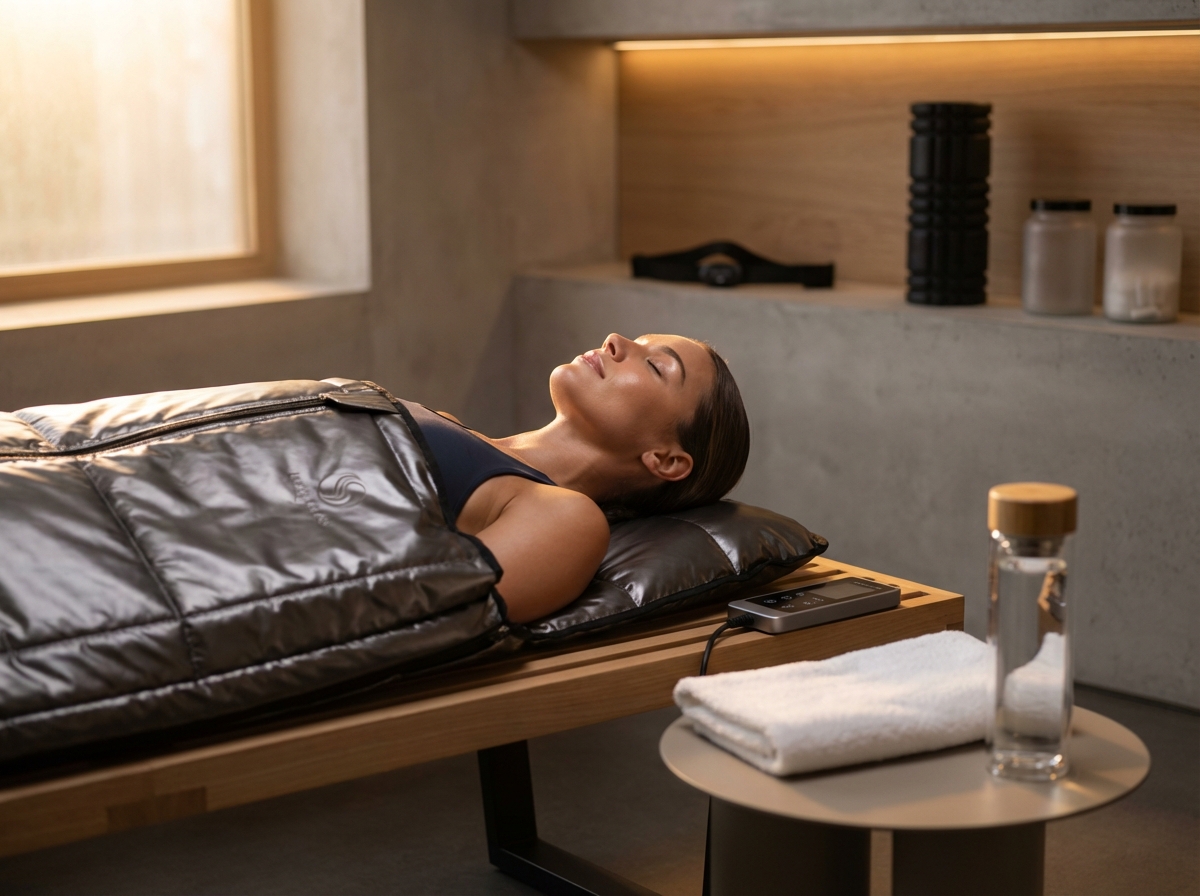
The construction of these blankets is designed for durability and safety. Most use a waterproof polyurethane liner on the inside that is easy to clean and prevents sweat from soaking into the heating elements. The outer layer is often made of synthetic leather or heavy duty nylon. They use thick zippers to keep the heat trapped inside while you lay down. Most models come with a handheld controller to set a timer and heat level. Safety features are standard in reputable brands, including an auto shutoff function if the blanket exceeds a certain temperature, usually around 176 degrees Fahrenheit.
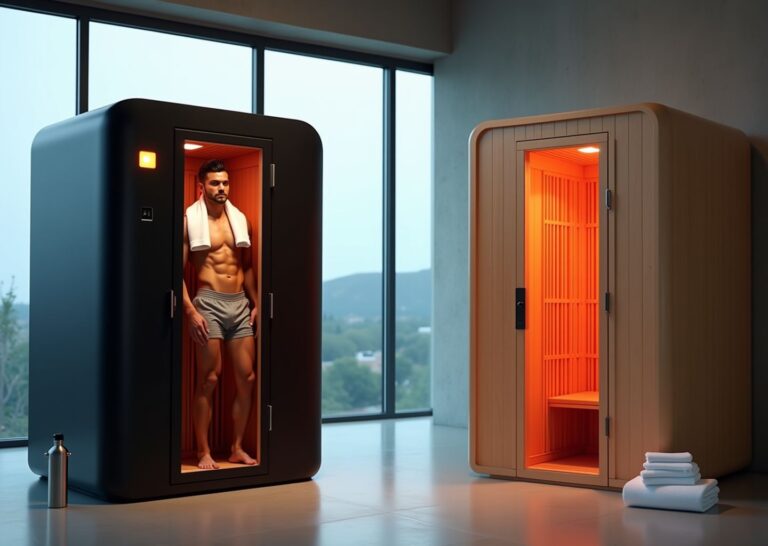
Choosing between a blanket and a full sauna often comes down to your living situation. A blanket is much more affordable; you can find a reliable model for around five hundred dollars, whereas a built-in wooden sauna can easily cost five thousand dollars or more. Blankets are also portable and heat up quickly—usually ready in eight minutes, compared to the thirty to forty minutes a traditional sauna might require.
However, there are trade offs. A full sauna allows for more movement, letting you sit or stand comfortably. In a blanket, you are mostly stationary. The sweat volume is also different; you will likely sweat more in a full sauna because the ambient air is significantly hotter. Some people also find the sensation of being wrapped in a blanket less comfortable than sitting in a room. If you value privacy and convenience, the blanket is often the better choice, allowing you to get a treatment while watching a show or listening to a podcast in your own bed.
It is important to understand the limitations of current research. Most health benefits discussed in literature come from studies on traditional Finnish saunas. There are fewer studies that look only at infrared blankets, though we often assume the benefits are similar because physiological markers like heart rate and core temperature align. Some evidence suggests that blankets are about seventy to eighty percent as effective as full saunas for cardiovascular health. While specific data on blankets is growing, we still rely on broader sauna literature for many protocols.
What the Science Says and Practical Protocols for Recovery Detox and Longevity
Scientific research into infrared sauna blankets has reached a point of clarity in recent years. We now have a solid understanding of how these portable devices impact the human body. High quality evidence, including randomized controlled trials and human mechanistic studies, shows that far infrared radiation penetrates deeper than the convective heat of a standard sauna. This depth of penetration triggers biological responses that a simple hot bath cannot match.
Evidence for Recovery and Inflammation
Muscle Soreness and DOMS
Clinical trials show that far infrared therapy can reduce delayed onset muscle soreness (DOMS) by about 40 percent. The heat increases blood flow to damaged muscle tissues, helping clear metabolic waste. Athletes who use blankets after intense training report lower pain scores at the 48 hour mark. This is a significant finding for anyone following a rigorous lifting or running schedule.
Systemic Inflammation and Autonomic Balance
Regular use has a measurable impact on C-reactive protein levels. Some studies noted a 25 percent drop in this inflammatory marker after four weeks of use (three times per week). Heart rate variability (HRV) often improves by 15 to 20 percent, suggesting a shift toward parasympathetic dominance. The body moves out of a stressed state and enters a recovery state more efficiently.
The Reality of Detoxification Claims
Sweat Composition
It is important to be honest about what sweat actually contains. Sweat is 99 percent water. The remaining 1 percent consists of electrolytes and very small amounts of metabolic byproducts. Claims that blankets pull heavy metals out of the body in large quantities are not supported by high quality data. A 2012 study confirmed that heavy metal excretion via sweat is minimal, usually accounting for less than 0.1 percent of total toxin removal. The liver and kidneys remain the primary organs for detoxification.
Role of Circulation in Detox
The real benefit for detoxification comes from improved circulation. Infrared heat boosts blood flow to the organs responsible for filtration, supporting the natural systems already in place rather than replacing them. Users should focus on hydration to keep these systems running. Do not expect the blanket to pull toxins directly through the skin; the goal is to support the body’s internal machinery.
Longevity and Cardiovascular Health
Blood Pressure and Endothelial Function
Passive heat therapy mimics some effects of moderate exercise. Research shows that 20 sessions can reduce systolic blood pressure by 5 to 10 mmHg. The heat causes blood vessels to dilate, improving endothelial function through the release of nitric oxide. Long term use is linked to reduced arterial stiffness, a key marker for vascular age. A 14 day trial using far infrared blankets showed a 12 percent reduction in vascular stiffness.
Heat Shock Proteins and Metabolism
Exposure to temperatures between 104 and 113°F triggers heat shock proteins. These proteins help repair damaged cellular structures and maintain protein homeostasis, playing a role in longevity. Far infrared also activates the AMPK enzyme, which can boost metabolism by 15 to 20 percent, mimicking the glucose uptake seen during physical activity. Recent data indicates that 14 days of use can increase melatonin levels by 25 percent and serotonin levels by 18 percent, explaining the significant improvements in sleep quality reported by users.
Actionable Protocols and Progression Plans
To get the most out of your blanket, you should follow a structured plan based on your goals. Below are specific progression protocols for athletes, biohackers, and general wellness.
Athlete Recovery Protocol
Goal: Reduce soreness and improve sleep quality after hard sessions.
Week 1: Start with two sessions of 20 minutes at 120°F on rest days.
Week 2: Increase to three sessions of 25 minutes at 125°F.
Week 3: Move to three sessions of 30 minutes at 130°F.
Maintenance: 3 to 5 sessions per week for 30 to 45 minutes. Use the blanket post-workout once your heart rate has returned to baseline (wait 2-4 hours). Layer with a light towel and cool down with a 3 minute cold shower afterward to boost the recovery effect.
Biohacker Longevity Protocol
Goal: Sustained cardiovascular adaptations and protein repair.
Week 1: Three sessions of 20 minutes at 115°F. Focus on consistent timing.
Week 2: Four sessions of 25 minutes at 120°F. Start tracking your heart rate variability.
Week 3: Four sessions of 30 minutes at 130°F. Look for a 10 to 15 percent improvement in recovery metrics.
Maintenance: Progress to five sessions of 40 minutes at 140°F. This frequency helps trigger heat shock proteins which are vital for cellular repair. Maintain a core temperature rise of about 1 to 2°C.
General Wellness & Detox Support Protocol
Goal: Stress reduction, lymphatic support, and sleep quality.
Week 1: Two sessions of 20 minutes at 110°F to get used to the heat.
Week 2: Three sessions of 20 minutes at 115°F.
Week 3: Three sessions of 25 minutes at 120°F.
Maintenance: Maintain three sessions of 30 minutes at 125°F. Drink 16 to 32 ounces of water with electrolytes before the session to support kidney function.
Monitoring and Safe Progression
Tracking metrics helps ensure the heat dose is effective. Use a scale to check body weight before and after. Weight loss should be less than 2 percent of total mass; anything higher indicates dangerous dehydration. Monitor resting heart rate and HRV using a wearable device. An improvement in morning HRV is a good sign that you are adapting well. If your resting heart rate stays elevated the next day, you may be overdoing the heat.
| Metric | Target Range | Frequency |
|---|---|---|
| Heart Rate | Below 150 bpm | During session |
| Body Weight | Less than 2% loss | Pre and Post |
| Sleep Quality | 15% to 20% improvement | Weekly average |
| Blood Pressure | 5 to 8 mmHg reduction | Monthly check |
There is a trade off between session frequency and temperature. If you prefer high heat, reduce the number of sessions per week. If you want to use the blanket daily, keep the temperature in the lower range. Stop the session immediately if you feel dizzy. Safety is more important than hitting a specific time goal.
Safety Setup and Best Practices for Effective Use
Safety screening is the first step before you ever plug in your device. You must evaluate your health status against a list of known risks. Passive heat therapy puts a specific type of stress on the heart, the metabolic system, and the skin. While many people find these sessions relaxing, the physiological load is real.
Absolute and Relative Contraindications
Absolute contraindications mean you should not use the blanket under any circumstances. These include pregnancy, unstable cardiovascular disease, severe hypotension, and severe dehydration. If you have had a recent myocardial infarction, you must wait at least six months or until your doctor gives you a clear signal. Active infections or recent surgeries also require a full recovery period first. People with uncontrolled epilepsy or those taking medications that impair temperature regulation (such as certain diuretics, beta blockers, or anticholinergics) should avoid these devices. Relative contraindications, such as implanted devices or chronic conditions affecting blood flow, require a conversation with a healthcare provider. Research from the Mayo Clinic suggests that while infrared therapy is generally safe, those with chronic health issues must proceed with caution.
Pre-Session Preparation
Preparation involves more than just turning on the power. Hydration is critical: drink 16 to 32 ounces of water before you start. Wear light cotton clothing or use a thin towel layer to protect your skin from the hot surface and absorb moisture. Remove all jewelry, as metal can become extremely hot and cause burns. Keep electronics away from the blanket to avoid heat damage. Set up your space in a quiet room with dim lighting to help your nervous system shift into a relaxed state.
In-Session Monitoring
Stay alert during the session. Use an external thermometer to check the air inside the blanket if your model allows it, and monitor your heart rate with a wearable device. Keep a timer running so you do not stay in too long. Always have a phone or a voice activated assistant nearby for emergencies, but never fall asleep inside the blanket. This is a common mistake that leads to severe overheating or dehydration. If your heart rate climbs above 150 beats per minute, end the session immediately.
Post-Session Recovery
Recovery helps your body return to its normal state. Cool down slowly; do not jump into a hot shower immediately. Rehydrate by drinking 1.5 times the amount of weight you lost (e.g., if you lost one pound, drink 24 ounces of water). Add 500mg of sodium or a balanced electrolyte powder to your drink. Eat a small meal with protein and carbohydrates to help your muscles recover. Check your weight again to make sure you have replaced the lost fluids.
Electrical and Fire Safety
Electrical safety is a major concern for home use. Always use a grounded outlet and never use an extension cord, as it might not handle the power load (typically 200–500 watts). Keep the blanket away from water and ensure your hands are dry when touching the controller. Follow the manufacturer instructions for every session.
Cleaning and Maintenance
Wipe the interior liner with a mild soap after every use. Avoid harsh chemicals that could degrade the waterproof PU leather. Let it air dry for 24 hours in a well ventilated area before storing it flat or loosely folded in a cool place. Proper maintenance prevents bacteria buildup and ensures the heating elements stay intact.
Troubleshooting and Selection Criteria
When choosing a blanket, look for ETL or UL certifications to ensure the device meets safety standards. Check for durable YKK zippers and a lining that is easy to wipe down. A good thermostat should offer a range between 130 and 170 degrees Fahrenheit. Reliable customer support and EMF shielding are also signs of a quality brand. If you experience uneven heating, check that the zippers are fully closed. If the controller shows an error code, unplug the unit for ten minutes to reset it.
| Safety Checklist Item | Target Metric or Action |
|---|---|
| Pre-Session Hydration | 16 to 32 ounces of water |
| Heart Rate Limit | Below 150 beats per minute |
| Post-Session Fluid | 1.5 times weight loss volume |
| Maximum Duration | 60 minutes per day |
| Temperature Range | 110 to 140 degrees Fahrenheit |
Frequently Asked Questions
Potential users often have practical questions about safety and how well these devices work. This section addresses specific concerns that athletes and biohackers face when integrating new technology into their recovery plans.
Is it safe to use a blanket after a hard workout or competition?
It is safe only if you allow your body to cool down first. Your heart rate should be close to its resting level before you start. Using a blanket while severely dehydrated or immediately after a race can put too much strain on the heart. Studies on acute responses show that heart rates can rise to 140 beats per minute in the blanket, so adding this stress to an already fatigued system is dangerous.
Practical Takeaway
Wait at least 30 minutes after exercise. Drink at least 16 ounces of water before you get into the blanket.
Can you sleep in an infrared sauna blanket?
You should never sleep inside an active sauna blanket. There is a significant risk of overheating or becoming dangerously dehydrated while unconscious. While some far infrared blankets are designed for overnight use at very low temperatures, standard sauna blankets are meant for short, high heat sessions. Most high quality devices have a 60 minute timer for this reason.
Practical Takeaway
Stay awake and alert. Use the session as a time for meditation or listening to a podcast.
Are there special concerns for people with implants or pacemakers?
Most modern surgical implants are made of materials that do not react to infrared heat. However, some pacemakers might be sensitive to the electrical components of the blanket. It is vital to consult a physician if you have any internal medical devices. Some research suggests infrared may interfere with less than 1 percent of medical electronics, but the risk is not zero.
Practical Takeaway
Check with your doctor to ensure your specific device is MRI compatible and heat safe. Safety is the priority when dealing with internal electronics.
How to combine blanket sessions with cold plunges or cryotherapy?
Combining heat and cold is known as contrast therapy. A typical routine involves 20 minutes in the blanket followed by a 3 minute cold shower or plunge. This process can improve recovery by stimulating blood flow and shifting the nervous system into a parasympathetic state.
Practical Takeaway
Always end with the cold phase. This helps your body return to a normal temperature and boosts your energy levels.
Do infrared blankets help with chronic health issues?
The Mayo Clinic notes that infrared therapy may help with long lasting health problems. Regular use has been shown to lower blood pressure and improve lung function. Some studies even suggest a lower risk of pneumonia for frequent users. It can also help manage symptoms of asthma and chronic pain.
Practical Takeaway
Consistency is key. Use the blanket at least three times a week for two months to see lasting improvements in your health metrics.
Final Thoughts and Recommendations
Infrared sauna blankets provide a practical way to access heat therapy without the high cost of a traditional cabin. Research shows these devices are effective for improving blood circulation and supporting heart health. They work by using electromagnetic radiation to heat the body directly, raising the core temperature and triggering a cardiovascular response similar to moderate exercise.
The evidence for cardiovascular improvement is strong. Studies indicate that regular heat exposure can lower blood pressure and improve arterial stiffness. For athletes, these blankets are useful for reducing muscle soreness, with some trials showing a reduction in DOMS by up to 40 percent. There is also promising data regarding sleep; using a far infrared blanket for 14 days has been shown to increase melatonin and serotonin levels, leading to better rest.
However, users must separate facts from marketing hype. The claims about detoxification are often overstated. While sweating is a natural cooling process, it is not a primary way to remove heavy metals or toxins—your liver and kidneys handle that job. Additionally, weight loss immediately following a session is almost entirely water weight. These blankets do not burn fat directly, though they do increase calorie consumption by raising the heart rate.
Integrating these sessions into a balanced program is the best way to see results. Do not rely on the blanket as your only form of recovery. Combine it with proper nutrition, hydration, and sleep. Track your metrics over a 3 month period to see how your body adapts. Consistent use is more important than high heat. Start slow and let your body build a tolerance to the thermal stress. This approach ensures you get the cardiovascular and recovery benefits without the risk of burnout or dehydration.
Sources
- Infrared sauna blankets: Effectiveness, safety, and more — Infrared sauna blankets may benefit blood circulation and metabolism, accelerate detoxification and burn fat and calories.
- The Science Behind Infrared Sauna Blanket – Nordenbeauty — Discover the scientifically-proven benefits of infrared sauna blanket. Research shows improved circulation, stress reduction and much more.
- [PDF] Acute Physiological Responses to an Infrared Sauna Blanket … — After evaluating the findings from this research study, it is suggested that the use of an infrared sauna blanket may offer a promising cost-effective treatment …
- Are At-Home Infrared Sauna Blankets Too Good To Be True? — Pain Relief: Research has found that infrared saunas can reduce muscle and body pain related to fibromyalgia, endometriosis, nerve conditions, …
- The Impact of DAZZEON αSleep® Far-Infrared Blanket on Sleep … — Our research confirms that the use of far-infrared blankets has significant benefits in improving sleep-related hormones, sleep quality …
- The multifaceted benefits of passive heat therapies for extending the … — Studies of patients with HF who were treated with regular infrared-ray sauna therapy have reported reductions in concentrations of brain NPs (BNPs) [52,53].
- Do infrared saunas have any health benefits? – Mayo Clinic — Many studies have looked at using infrared saunas in the treatment of long-lasting health problems and found some proof that saunas may help.
- Health Benefits of Infrared Saunas – WebMD — In some studies, people who used saunas had a lower risk of pneumonia. Other people experienced an improvement in asthma symptoms.
Legal Disclaimers & Brand Notices
The information provided in this article is for informational and educational purposes only and does not constitute professional medical advice, diagnosis, or treatment. Always seek the advice of your physician or another qualified healthcare provider with any questions you may have regarding a medical condition, particularly before beginning new heat therapy protocols or using infrared devices if you have underlying health concerns.
All product names, logos, and brands mentioned in this text are the property of their respective owners. All company, product, and service names used in this article are for identification purposes only. Use of these names, trademarks, and brands does not imply endorsement or affiliation.