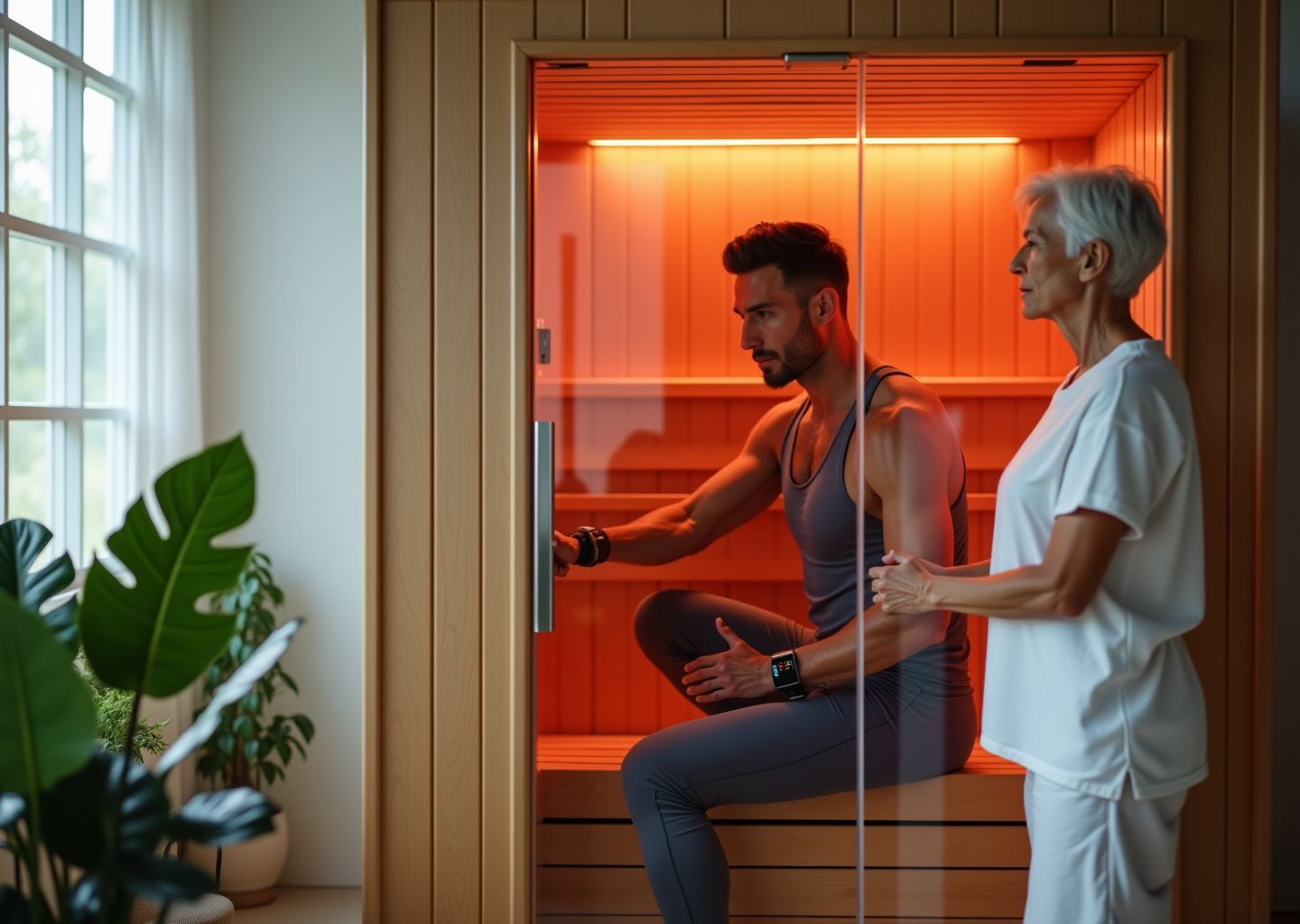
Far infrared (FIR) therapy and infrared sauna routines are gaining traction as noninvasive tools to reduce inflammation and improve joint mobility. This article explores the biological mechanisms, evidence, athlete-focused protocols, safety considerations, and practical steps to integrate FIR into recovery and longevity plans for people with osteoarthritis, inflammatory arthritis, and active lifestyles.
How far infrared heat affects inflammation and joint mobility
Far infrared (FIR) energy is a specific segment of the light spectrum that penetrates the body’s tissues, generating heat from the inside out. Unlike the convective heat of a traditional sauna, which warms the air around you, FIR wavelengths between 3 and 100 micrometers are absorbed by the body, initiating a cascade of physiological responses that can directly impact joint inflammation and mobility. Understanding these mechanisms is key to using infrared therapy effectively for arthritis and recovery.
The most immediate effect of FIR exposure is an increase in local circulation. The absorbed energy gently elevates the temperature of subcutaneous tissues, triggering vasodilation, or the widening of blood vessels. This process is heavily mediated by an increase in nitric oxide (NO) signaling, a potent vasodilator that relaxes the inner muscles of your blood vessels. Improved blood flow delivers more oxygen-rich blood and vital nutrients to stiff, inflamed joints while more efficiently removing metabolic waste products that can contribute to pain and inflammation. This enhanced circulatory effect also supports lymphatic drainage, helping to clear inflammatory cytokines and fluid buildup from affected areas.
On a cellular level, the mild thermal stress from an infrared sauna induces the production of Heat Shock Proteins (HSPs). These are specialized proteins that act as cellular guardians, protecting cells from damage, helping them repair, and modulating the body’s inflammatory response. By promoting HSPs, FIR therapy may help down-regulate pro-inflammatory pathways, offering a systemic benefit that goes beyond simple heat application.
For someone with arthritis, the direct impact on the joint environment is significant.
- Synovial Fluid Viscosity
Heat reduces the viscosity of synovial fluid, the natural lubricant inside the joint capsule. Thinner, less viscous fluid allows for smoother, less painful movement, much like warming up engine oil on a cold day. This can lead to an immediate feeling of reduced stiffness and greater ease of motion after a session. - Muscle and Tendon Compliance
The warmth penetrates surrounding muscles, ligaments, and tendons, increasing their elasticity and compliance. This relaxation of periarticular tissues can decrease joint stiffness and significantly improve the functional range of motion. - Cartilage Metabolism
While FIR is not a cure for cartilage loss, the enhanced delivery of blood, oxygen, and nutrients to the joint may support chondrocyte (cartilage cell) health and metabolism. The biological plausibility is strong, though clinical evidence for cartilage regeneration remains limited.
The clinical evidence supporting FIR for joint conditions has grown steadily, though it’s important to distinguish between different levels of proof. For osteoarthritis (OA), some of the most compelling data comes from randomized controlled trials (RCTs). A notable 2012 single-blind RCT published in Reumatismo investigated FIR-emitting plasters for knee OA. The study found that after four weeks, the FIR group experienced a 25% improvement in symptoms, with ultrasound imaging confirming a reduction in joint effusion (swelling) from 80% to 40% of participants. A comprehensive 2022 systematic review also concluded that the majority of studies suggest infrared radiation could be a beneficial complementary therapy for osteoarthritis and other chronic pain conditions.
For inflammatory arthritis like rheumatoid arthritis (RA) and ankylosing spondylitis, the evidence is more preliminary. Small pilot studies have reported significant short-term reductions in pain, stiffness, and fatigue after a series of infrared sauna sessions. While these results are promising, larger and longer-term RCTs are needed to confirm these benefits and understand the long-term impact on disease activity. The primary gap in the literature is the transition from strong biological plausibility and positive pilot trials to large-scale clinical validation, particularly for infrared sauna use as opposed to localized FIR lamps or patches.
When applying this in practice, it’s crucial to track outcomes and set realistic expectations.
Target Outcomes to Measure
Use a simple 0-10 Visual Analog Scale (VAS) for pain before and after sessions. For knee or hip arthritis, the WOMAC index is a standardized questionnaire to track pain, stiffness, and function. Objective measurements like range of motion (e.g., degrees of knee flexion) are also valuable. For those working with a physician, tracking inflammatory biomarkers like C-reactive protein (CRP) and Interleukin-6 (IL-6) can provide objective data, though this is not always practical.
Realistic Timelines
Expect acute relief from pain and stiffness immediately following a session due to the immediate effects on circulation and tissue compliance. However, more sustained, long-term improvements in baseline inflammation and function typically require consistent use over several weeks. A 2 to 4-week period of regular sessions is often needed to gauge a meaningful response. To see progress objectively, commit to a trial period of at least four weeks, aiming for three to four sessions per week, and keep a simple journal to track your pain levels, stiffness, and mobility on a scale of 1 to 10. Structural changes to the joint should not be an expected outcome based on current evidence.
Practical infrared sauna protocols for arthritis mobility and athlete recovery
Moving from understanding the science to applying it is where the real benefits begin. A successful far infrared (FIR) sauna protocol is not a rigid prescription but a flexible framework you adapt to your body’s unique needs. The goal is to use the gentle, penetrating heat to reduce inflammation, ease stiffness, and enhance recovery without causing undue stress.
The foundation of any protocol starts with three key variables: temperature, duration, and frequency. For FIR saunas, the effective temperature range is typically lower than traditional saunas, usually between 110°F and 140°F (about 43°C to 60°C). The aim isn’t to endure scorching air but to allow the infrared waves to warm your body directly. Start on the lower end of this range. For session duration, a progressive approach is safest and most effective. Begin with 10–15 minute sessions to see how your body responds. If you feel good, gradually increase your time over several weeks to a target of 20–30 minutes. Frequency depends on your goals. For managing acute pain or accelerating recovery, 3–5 sessions per week might be beneficial. For general maintenance and mobility, 2–3 sessions per week is often sufficient. A focused program for a specific issue, like a flare-up, could run for 2–4 weeks, while a maintenance routine can be ongoing.
Your pre and post-sauna routines are just as important as the session itself. Hydration is non-negotiable. Drink a large glass of water before you get in, and be prepared to replenish fluids and electrolytes afterward. For athletes or anyone sweating heavily, an electrolyte drink or a pinch of sea salt in your water can help restore balance.
Immediately after your session, your muscles and connective tissues are warm and pliable, creating a perfect window for mobility work. This isn’t the time for intense stretching. Instead, focus on gentle, controlled movements.
- Dynamic Stretches
Perform slow, rhythmic movements like leg swings, arm circles, and torso twists to move your joints through their full range of motion. - Joint Mobilizations
Focus on specific joints with movements like cat-cow for the spine, ankle circles, and wrist rotations. - Isometric Activations
Gently contract muscles without moving the joint. For example, lightly press your palms together in front of your chest for 10 seconds to activate the pectoral muscles, or gently tense your glutes.
Some users find benefit in contrast therapy by following their session with a cool or cold shower. This can help further reduce inflammation and enhance circulation. Start with a lukewarm shower and gradually decrease the temperature over time to what feels comfortable, even if it’s just 30 seconds of cool water at the end.
Your protocol should change based on your immediate needs. During an acute inflammatory flare, prioritize shorter, gentler sessions (10–15 minutes at a lower temperature) to encourage blood flow without over-stressing the system. If a joint is already hot, red, and swollen, applying more heat can be counterproductive. Monitor your symptoms closely during and for 24 hours after a session. If you notice any increase in pain or swelling, it’s best to wait until the flare subsides. For chronic stiffness, longer sessions (20–30 minutes) can help achieve a deeper sense of release in the tissues. Athletes can time their sessions strategically. A short 10-minute session can be an excellent pre-training tool to warm up muscles and improve joint readiness. A longer 25–30 minute session post-training can significantly aid recovery and reduce delayed onset muscle soreness.
Tracking your progress is key to refining your protocol. Use a simple 1-10 pain scale to rate your joint discomfort before and after sessions. You can also use simple mobility tests, like how far you can reach in a toe touch or how easily you can perform an overhead squat. Athletes should monitor their training output and perceived recovery. This objective and subjective feedback helps you understand what works best.
Here are a few sample weekly schedules to get you started:
- Older Adult with Osteoarthritis
Goal: Manage pain and improve daily mobility.
Schedule: 3 sessions per week. Monday, Wednesday, Friday.
Protocol: 15–20 minutes at 115°F–125°F (46°C–52°C), followed by 5 minutes of gentle joint mobilizations. - Recreational Athlete (e.g., Runner, Weightlifter)
Goal: Enhance recovery and prevent injury.
Schedule: 2–3 sessions per week, ideally on recovery days or after hard workouts.
Protocol: 25 minutes at 125°F–135°F (52°C–57°C), followed by a cool shower and dynamic stretching. - Competitive Athlete
Goal: Maximize performance and accelerate recovery.
Schedule: 4–5 sessions per week.
Protocol: 10–15 minute pre-training sessions on key workout days. 30-minute recovery sessions on off days or post-competition, followed by electrolyte replacement and mobility work.
Ultimately, these protocols are starting points. The most important rule is to listen to your body, adapt progressively, and stay consistent. The cumulative effects of regular, thoughtful infrared sauna use can be a powerful tool for managing joint health and enhancing physical longevity.
Safety interactions and how to integrate infrared therapy with medical care
While practical protocols are essential, safe application is paramount. Far infrared therapy is a powerful tool, but it requires respect and understanding, especially when you’re managing a condition like arthritis or pushing your body’s limits. Integrating it with your existing medical care isn’t just smart; it’s essential for getting the benefits without the risks.
First, there are a few situations where using an infrared sauna is generally not recommended. These are often called contraindications. If you have unstable cardiovascular disease, like uncontrolled high blood pressure, unstable angina, or a recent heart attack, the heat stress from a sauna can put an unsafe demand on your heart. The same goes for severe orthostatic hypotension, which is a sharp drop in blood pressure when you stand up. The vasodilation caused by heat can make this condition worse and increase the risk of fainting. It’s also best to skip the sauna if you have an acute illness with a fever, as you don’t want to raise your body temperature even higher. While the data is limited, most clinicians advise against sauna use during pregnancy as a precaution.
Beyond these general rules, there are specific things to consider. If you have any implanted electronic devices, such as a pacemaker or an implantable cardioverter-defibrillator (ICD), you must get clearance from your cardiologist. The electromagnetic fields (EMFs) from some sauna heaters could potentially interfere with the device’s electronics. For metallic implants, like joint replacements, pins, or screws, the concern is less about interference and more about heat. Modern implants made of materials like titanium are generally considered safe because they don’t heat up significantly more than surrounding tissues. However, it’s wise to start with lower temperatures and shorter sessions. If you feel any unusual discomfort around an implant, stop the session immediately.
Your medication list is another critical piece of the safety puzzle. Many people with arthritis are on a complex regimen of drugs that can interact with the physiological effects of heat therapy.
- Anti-inflammatory Drugs (NSAIDs): Regular use of drugs like ibuprofen or naproxen can impact kidney function and fluid balance. Since sauna use causes fluid loss through sweat, this combination can increase the risk of dehydration and put extra strain on your kidneys.
- Anticoagulants (Blood Thinners): Medications like warfarin or newer direct oral anticoagulants don’t directly interact with infrared light, but the risk comes from potential side effects of the sauna itself. If you become dizzy or faint from the heat and fall, the risk of a serious bleeding event is much higher.
- DMARDs and Biologics: These powerful drugs, common for rheumatoid arthritis, work by suppressing the immune system. While there’s no evidence that FIR therapy negatively impacts the immune system, it’s a physiological stressor. It’s crucial to discuss sauna use with your rheumatologist to ensure it fits safely within your overall treatment plan.
- Corticosteroids: Steroids like prednisone can affect your body’s ability to regulate fluid and electrolytes. This makes you more susceptible to dehydration and electrolyte imbalances from sweating. They can also mask pain signals, which might lead you to stay in the sauna longer than is safe.
The most common risks for any sauna user are dehydration, overheating (hyperthermia), and fainting (syncope). Fortunately, these are manageable with simple precautions. Monitor your body’s response. A heart rate monitor can be a useful tool; if your heart rate climbs too high or becomes irregular, it’s time to get out. Limit your initial sessions to 10-15 minutes at a moderate temperature, around 120-130°F (49-54°C), and see how you feel. Always rehydrate afterward with water and an electrolyte supplement to replace what you’ve lost through sweat.
A quick note on detoxification. You will often hear claims that sweating in an infrared sauna can remove heavy metals and toxins from your body. While sweat does contain trace amounts of these substances, your liver and kidneys are your body’s primary detoxification powerhouses. The evidence for sweating as a significant pathway for eliminating toxins is limited. It’s better to focus on the well-documented benefits of FIR for pain, stiffness, and circulation rather than expecting a deep “detox.”
To help you put this all together, here is a simple checklist to use.
Clinician and Athlete Safety Checklist
- Pre-Session Screening: Before every session, ask yourself: Am I well-hydrated? Have I eaten in the last couple of hours? Do I feel well today? If the answer to any of these is no, consider postponing.
- Red Flags to Stop Immediately: Exit the sauna if you experience dizziness, nausea, a headache, a sudden stop in sweating (a sign of heat exhaustion), or a racing or irregular heartbeat.
- When to Seek Medical Clearance: Always get a doctor’s approval before starting if you have any known heart condition, blood pressure issues, kidney disease, autonomic dysfunction, or have any electronic or metallic implants. The same applies if you are pregnant or taking any of the medications listed above.
- How to Talk to Your Doctor: Be specific. Tell your rheumatologist or primary care provider what you plan to do. For example: “I am considering using a far infrared sauna to help with my osteoarthritis pain. My plan is to start with 15-minute sessions at 125°F, three times a week. Do you have any concerns based on my health or my current medications?” This allows them to give you personalized and informed advice.
For vulnerable populations, including older adults and those with kidney disease or autonomic dysfunction, a conservative approach is non-negotiable. This means starting with even shorter durations, lower temperatures, and ensuring someone else is nearby. Documenting your sessions, including duration, temperature, and how you felt during and after, can provide valuable data for you and your healthcare provider to ensure you’re using this therapy both effectively and safely.
Frequently asked questions about infrared saunas and arthritis
Is far infrared (FIR) better than a traditional sauna for arthritis?
The main difference is how they deliver heat. A traditional sauna heats the air around you to high temperatures, usually 150-195°F, which then heats your body. A far infrared sauna uses light to create heat directly in your body, allowing for lower, more tolerable ambient temperatures, typically 110-140°F. This can be a significant advantage for individuals with arthritis who find high heat uncomfortable.
Evidence suggests that because FIR waves penetrate the body more deeply, they may be more effective at reaching sore joints and muscles. While large-scale trials directly comparing the two for arthritis are still needed, smaller studies focusing on FIR have shown promising results for reducing pain and stiffness in conditions like rheumatoid arthritis and ankylosing spondylitis. The lower operating temperature and direct heating mechanism make FIR a compelling option for joint-specific concerns.
Next Steps: If you have access to both, you could try each to see which feels better for your joints. For many, starting with the gentler heat of an FIR sauna is a more comfortable entry point. Ultimately, personal tolerance and consistency are what matter most.
Can infrared therapy replace my medication?
No. It is very important to view infrared sauna therapy as a complementary tool, not a replacement for your prescribed medical treatment. It can be a powerful part of an integrative plan to manage symptoms like pain and stiffness, but it does not address the underlying disease process, especially in autoimmune conditions like rheumatoid arthritis.
Scientific literature consistently evaluates infrared therapy as an adjunctive or complementary treatment. A 2022 systematic review published in the journal Pain and Therapy concluded that it could be a beneficial complementary therapy for patients with osteoarthritis and fibromyalgia when used alongside standard medical care.
Next Steps: Never stop, start, or change your medication dosage without consulting your rheumatologist or primary care physician. Be open with them about your interest in using an infrared sauna so they can help you integrate it safely into your overall treatment plan.
How can I combine infrared sessions with exercise or physical therapy?
Combining infrared sauna use with movement can create a powerful synergy. Using the sauna before exercise for about 10 to 15 minutes can act as an effective warm-up. It increases circulation and makes muscles and connective tissues more pliable, which can help improve your range of motion and reduce the risk of injury during your workout or physical therapy session.
Using the sauna after your workout can enhance recovery. A 20 to 30-minute session can help ease post-exercise muscle soreness and reduce inflammation. The relaxing effect also helps shift your nervous system into a recovery state. This approach is supported by evidence showing that FIR therapy benefits trained athletes in their recovery process.
Next Steps: Talk to your physical therapist. They can provide specific stretches or mobility exercises that are ideal to perform after a sauna session when your joints are warm and receptive. This can help you make greater gains from your therapy program.
Are there measurable biomarkers that improve?
Yes, research indicates that consistent infrared therapy may lead to improvements in certain biomarkers associated with inflammation and oxidative stress. While you might not feel these changes directly, they provide objective evidence of the therapy’s systemic effects. Studies have shown that heat therapy can help lower levels of inflammatory markers like C-reactive protein (CRP) and certain cytokines.
For instance, one study found that local FIR therapy reduced a key marker of oxidative stress in the blood. While much of this research is in early stages, it supports the idea that FIR therapy does more than just provide temporary warmth; it can create positive physiological changes at a cellular level.
Next Steps: While you could ask your doctor to track inflammatory markers via blood tests, a more practical approach is to focus on functional markers. Regularly track your pain scores, morning stiffness duration, and your ability to perform daily activities. These are the changes that will truly impact your quality of life.
Which types of arthritis respond best?
Osteoarthritis (OA) typically responds very well to infrared sauna therapy. The primary benefits of increased blood flow, reduced pain perception, and decreased stiffness directly target the main symptoms of OA. Several clinical studies have specifically shown positive outcomes for individuals with knee osteoarthritis.
For systemic inflammatory conditions like rheumatoid arthritis (RA) and ankylosing spondylitis (AS), the response can be more varied. Many people find significant symptomatic relief from pain and stiffness. However, it is crucial to remember that sauna therapy does not treat the underlying autoimmune disease. Conditions like gout are a contraindication during an acute flare, as heat can worsen the intense inflammatory response.
Next Steps: If you have OA, infrared sauna is a generally safe and effective complementary therapy to explore. If you have an inflammatory type of arthritis like RA, it is essential to discuss sauna use with your rheumatologist to ensure it is appropriate for you.
Are there any insurance or reimbursement options?
Unfortunately, in the United States, it is very unlikely. Currently, infrared saunas are generally classified as wellness devices rather than medical equipment. Consequently, health insurance plans, including Medicare, typically do not cover the cost of purchasing a home unit or paying for sessions at a spa or clinic.
There is one potential avenue. If your doctor determines that infrared sauna therapy is medically necessary for managing your arthritis symptoms, they may be able to write a Letter of Medical Necessity (LMN). With an LMN, you might be able to use funds from a Health Savings Account (HSA) or Flexible Spending Account (FSA) to pay for it. This is not guaranteed and policies vary.
Next Steps: Speak with your doctor about your condition and whether they would support providing an LMN. Then, contact your HSA or FSA plan administrator directly to ask about their specific requirements and confirm whether sauna therapy would be considered a qualified medical expense with the proper documentation.
Conclusions and next steps for integrating far infrared into recovery and longevity plans
We’ve explored the science and answered the pressing questions. Now, let’s bring it all together into a cohesive strategy. This is about moving from theory to practice, integrating far infrared therapy into your life safely and effectively for long-term joint health.
The primary takeaway is that far infrared (FIR) therapy, particularly through saunas, presents a plausible, non-invasive method for managing joint pain and inflammation. The mechanisms are rooted in basic physiology. FIR energy penetrates tissues, promoting vasodilation and enhancing circulation. This process is linked to increased nitric oxide production, which helps relax blood vessels and may improve nutrient delivery and waste removal from joint tissues. Some evidence also points to the induction of heat shock proteins, which can have an anti-inflammatory effect, and a reduction in oxidative stress markers. For athletes, this translates to potentially improved muscle-tendon compliance and a wider range of motion.
Clinically, the evidence is promising but not yet definitive. Small to medium-sized randomized controlled trials, like the 2012 Bagnato study on knee osteoarthritis, have shown significant reductions in pain scores and even physical improvements like decreased joint effusion visible on ultrasound. A 2022 systematic review concluded that infrared radiation could be a beneficial complementary therapy for conditions like osteoarthritis and fibromyalgia. However, the scientific community agrees that larger, longer-term studies are needed to establish firm guidelines and understand its full impact on disease progression. For now, FIR should be viewed as a powerful supportive tool, not a standalone cure.
Practical application is key. For most users, a good starting point is 2 to 3 sessions per week, lasting 10 to 15 minutes at a temperature between 110-140°F (43-60°C). Over several weeks, you can gradually increase the duration to 20-30 minutes and the frequency to 4-5 times per week as your body adapts. Safety remains paramount. Always hydrate well before and after each session, replacing electrolytes if you sweat heavily. Individuals with unstable cardiovascular conditions, severe orthostatic hypotension, or certain implanted medical devices should avoid FIR therapy or seek explicit clearance from their specialist.
To begin your own exploration, consider a structured pilot program. Here is a sample first-week plan to test your tolerance and response.
- Session 1: 10 minutes at 120°F (49°C). Focus on how you feel during and immediately after. Note any lightheadedness or discomfort.
- Session 2 (48 hours later): 12 minutes at 120°F (49°C). Track your joint stiffness and pain levels the morning after.
- Session 3 (48 hours later): 15 minutes at 125°F (52°C). Measure your range of motion in a key joint, like knee flexion, before and after the session.
During this pilot week, track your outcomes. Use a simple 1-10 scale for pain and stiffness each morning. Note your energy levels and sleep quality. This personal data is invaluable. You must also know when to pause or adjust. Stop immediately if you feel dizzy, nauseous, or experience a sudden spike in heart rate. Reduce the temperature or duration if you feel overly fatigued the next day. And always consult a healthcare professional before starting, especially if you have a diagnosed condition, are pregnant, or are taking medications like DMARDs or biologics for arthritis.
For athletes and biohackers aiming for peak performance and longevity, FIR therapy should be woven into a larger fabric of health optimization. Use it to complement, not replace, fundamental practices. Pair post-workout sauna sessions with proper nutrition rich in anti-inflammatory foods to support recovery. Use short, pre-training sessions to warm up tissues and improve mobility, but never at the expense of a proper dynamic warm-up. Most importantly, align your FIR protocol with your training load. On high-intensity days, a recovery-focused session can be beneficial. During a deload week, you might use it more frequently to enhance tissue repair. This strategic integration ensures you get the most benefit without adding unnecessary stress to your system.
Ultimately, leveraging far infrared for joint health is an exercise in personalized medicine. By starting cautiously, tracking your body’s response, and combining this therapy with sound medical advice and healthy lifestyle choices, you can unlock a powerful tool for managing inflammation, enhancing mobility, and supporting a long, active life.
References
- Infrared Radiation for Musculoskeletal Conditions & Chronic Pain: A 2022 systematic review concluding that IR can be a beneficial complementary therapy for osteoarthritis and other chronic pain conditions.
- Far infrared emitting plaster in knee osteoarthritis: A 2012 randomized controlled trial demonstrating significant reduction in pain and joint effusion in patients with knee OA.
- Far-infrared Therapy for Chronic Health Problems: Review: A review of evidence showing FIR therapy is effective in relieving pain for chronic pain, chronic fatigue, and fibromyalgia, and benefits trained athletes.
- Effectiveness of Infrared Therapy on Pain in Musculoskeletal Disorders: A review concluding that infrared therapy is an effective, non-invasive modality for managing musculoskeletal pain.
- Current advances of photobiomodulation therapy in treating knee osteoarthritis: A 2023 article discussing various light-based therapies, including laser therapy, as adjunctive treatments for knee OA.
- Far infrared radiation (FIR): its biological effects and medical applications: A comprehensive 2012 review of the biological mechanisms and therapeutic applications of FIR therapy.
- Examining the Impact of Far-Infrared Technology on Quality of Life: A 2024 study showing significant reduction in pain severity and interference in the FIR group.
- Far Infrared Radiation Treatment for Osteoarthritis | ClinicalTrials.gov: A registered clinical trial investigating the use of FIR for osteoarthritis.
Legal Disclaimers & Brand Notices
The information provided in this article is for informational and educational purposes only and is not intended as a substitute for professional medical advice, diagnosis, or treatment. Always seek the advice of your physician or other qualified health provider with any questions you may have regarding a medical condition, procedure, or treatment plan. Never disregard professional medical advice or delay in seeking it because of something you have read in this content. Specific protocols, especially concerning temperature, duration, and frequency, should be discussed with a healthcare professional, particularly if you have pre-existing conditions, are pregnant, or are taking prescription medications.
All product names, logos, and brands mentioned in this article, or implied by the discussion of generic procedures, are the property of their respective owners.